
Rhinoplasty (nose surgery) is one of the most popular cosmetic procedures in Iran, attracting thousands of patients from around the world each year. While Iran is well-known for its skilled surgeons and affordable medical services, one of the most common questions international patients ask is: “How long should I stay in Iran after my nose surgery?”
 The length of your stay is a crucial part of planning your trip. Staying long enough ensures safe recovery, proper follow-ups, and minimizes risks during your return flight. In this guide, we will explain the recommended duration, the reasons behind it, and what you can expect during each stage of your stay.
Recommended Stay Duration in Iran After Rhinoplasty
Most patients are advised to stay for 7 to 10 days after their nose surgery in Iran. This period allows enough time for pre-surgery preparations, the operation itself, and initial recovery before traveling back home.
- Day 1–2: Pre-surgery preparations
Before the operation, patients usually undergo medical consultations, blood tests, and clinical photography. These steps are essential for the surgeon to evaluate the patient’s condition and design the best surgical plan. - Day 2 or 3: Surgery day
The operation is usually performed under general anesthesia and takes 2–4 hours. Patients are discharged the same day or the following morning, depending on their condition. - Day 4–9: Recovery and follow-up visits
The first week after rhinoplasty is the most critical. You will have swelling, bruising, and nasal dressings or splints. During this time, your surgeon will schedule one or more follow-up visits to monitor healing, remove stitches, and give aftercare instructions. - Day 7–10: Splint removal and final check-up
At the end of the first week, the nasal splint and tapes are usually removed, and the surgeon evaluates your nose’s early healing. If everything looks fine, most patients are cleared to fly back home with a medical clearance letter.
Why You Need a Doctor’s Permission to Fly
After rhinoplasty, your nose is still healing and vulnerable. Air travel puts pressure on the sinuses and nasal passages, which may cause discomfort or complications if you fly too early. For this reason, airlines often require a doctor’s written permission before allowing patients who recently had surgery to board.
Your surgeon in Iran will provide this clearance if your healing is on track and there are no major risks. This ensures your safety and peace of mind during your journey home.
Factors That May Affect the Duration of Stay
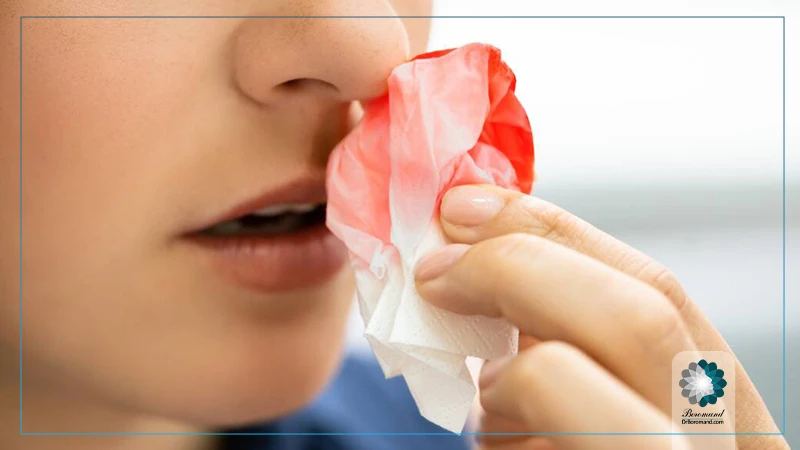 While 7–10 days is the standard recommendation, some patients may need to extend their stay due to:
- Complicated or revision surgery – More complex procedures often require longer monitoring.
- Slow healing or unusual swelling – Some patients’ bodies take more time to recover.
- Medical history – Patients with chronic conditions may need additional check-ups.
- Unexpected complications – Infection, bleeding, or breathing issues may require extra care.
Your surgeon will make the final decision on whether you are fit to travel.
What Happens If You Leave Too Early?
Leaving Iran before completing the recommended recovery period can increase your risks:
- Increased swelling and discomfort during flight.
- Higher chance of post-surgery complications not being addressed on time.
- Lack of proper follow-up and stitch/splint removal.
- Difficulties in finding immediate care once you return home.
That’s why it’s strongly advised not to rush your departure and to always follow your surgeon’s guidance.
Travel Tips for International Patients
If you are planning rhinoplasty in Iran, here are some tips to make your journey smoother:
- Arrange accommodation near your clinic or hospital for easy access to follow-ups.
- Bring a companion if possible, as you may need help during the first days after surgery.
- Avoid heavy activities and sightseeing tours right after surgery—focus on rest and recovery.
Considering Revision Rhinoplasty in Iran
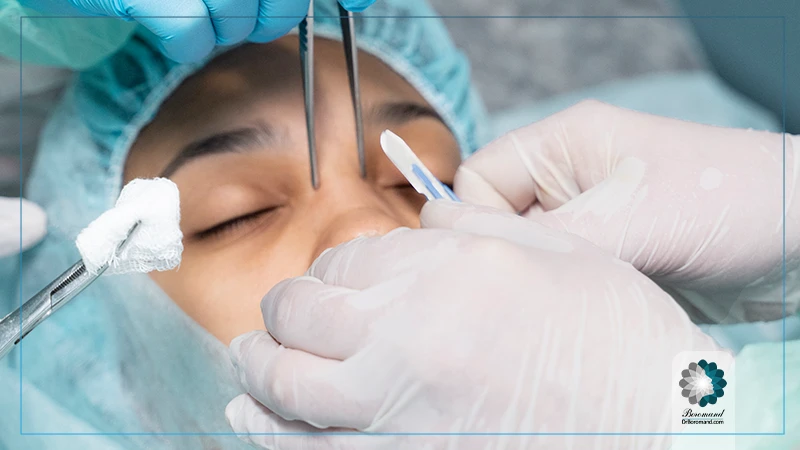 For patients who are not fully satisfied with the results of their first nose surgery or who experience functional problems afterward, revision rhinoplasty may be necessary. Iran is recognized as one of the leading destinations for revision rhinoplasty due to the high expertise of its surgeons, including Dr. Peyman Boromand. Because revision cases are more complex and require advanced skills, patients are usually advised to stay slightly longer, often 9 to 11 days to allow for careful monitoring and extended follow-up care. This ensures that healing progresses safely and that the surgical outcomes meet the patient’s expectations before returning home.
Dr. Peyman Boromand’s Recommendation for Post-Surgery Stay in Iran
Dr. Peyman Boromand, an ENT specialist and fellowship-trained rhinoplasty and facial plastic surgeon, usually recommends that international patients stay in Iran for at least 6 to 7 days after their nose surgery. This period allows enough time for the nasal splint (cast) to be removed, for the initial swelling to subside, and for the nose to begin settling into its new shape. During this week, patients are closely monitored by Dr. Boromand, ensuring that the healing process is on track and that post-operative care is properly managed. After this period, and with the doctor’s approval, patients can safely return to their home country.
Final Word
On average, international patients should plan to stay in Iran for 7 to 10 days after nose surgery. This timeline covers pre-surgery preparations, the operation itself, and essential post-surgery care. With your surgeon’s approval and a written medical clearance, you can safely fly back home without unnecessary risks.
By giving yourself enough time in Iran, you ensure a smoother recovery, better results, and a more comfortable experience overall.
Frequently Asked Questions (FAQs)
Can I travel alone after rhinoplasty in Iran, or should I have someone with me?
It’s possible to travel alone, but having a companion is strongly recommended. During the first few days after surgery, you may feel weak, and simple tasks such as going to follow-up visits or carrying luggage can be challenging.
What should I eat and drink during my stay in Iran after surgery?
Soft, easy-to-chew foods and plenty of fluids are recommended in the first few days. Avoid very salty or spicy meals, as they may increase swelling.
Is it safe to do sightseeing or shopping in Iran a few days after surgery?
Light walking is fine, but patients should avoid crowded places, excessive sun exposure, and any activity that may increase the risk of nasal trauma or infection. Rest should remain the priority.
Will I need additional follow-ups with Dr. Boromand after leaving Iran?
Yes. Patients are usually advised to stay in touch through online consultations, sending photos of their healing progress so the doctor can monitor long-term results.
What happens if I experience complications after returning home?
In rare cases of complications, patients should contact Dr. Boromand immediately for advice. Depending on the issue, he may guide you remotely or recommend visiting a trusted ENT or plastic surgeon in your home country.
Free Consultation with the Doctor
For more information and to discuss your condition,contact Dr. Boromand on WhatsApp.
Free consultation on WhatsApp


Related Articles
What Not to Do After Rhinoplasty
December 2, 2025Types of Noses: Understanding Shapes, Features, and ...
November 9, 2025How Long Does It Take for a ...
October 27, 2025Greek Nose: Meaning, Aesthetic Ideal, and Modern ...
October 4, 2025Why Is Iran the Best Country to ...
September 24, 2025How Long Should You Stay in Iran ...
September 14, 2025