
After rhinoplasty, proper aftercare is just as important as the surgery itself and one essential part of that care is nose taping. This seemingly simple step can significantly influence the healing process, reduce swelling, and help maintain the newly sculpted shape of your nose.
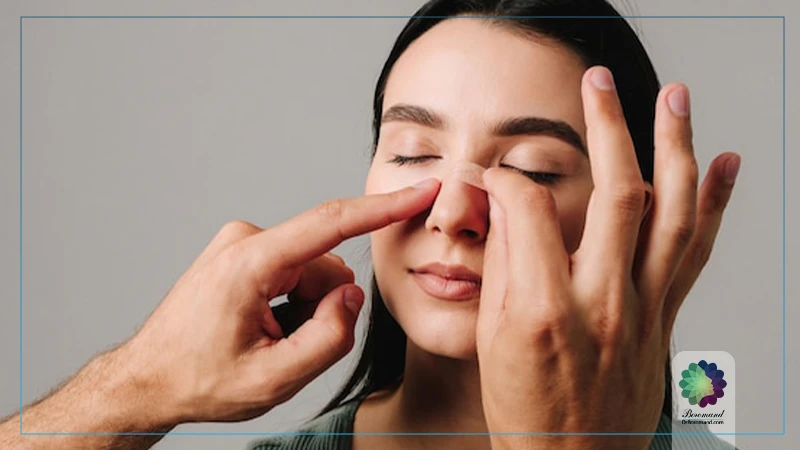 In this comprehensive guide, we’ll walk you through everything you need to know about nasal taping after a nose job. Whether you’re a patient preparing for recovery or simply curious about the process, you’ll find all the essential details here—from the reasons behind taping to step-by-step instructions, tips, and answers to frequently asked questions.
What Is Nose Taping and Why Is It Important?
Nose taping refers to the process of applying surgical tape over the nose after rhinoplasty. This technique plays a vital role in:
- Reducing postoperative swelling
- Supporting nasal structures during the early healing stages
- Preventing skin drooping, especially in patients with thick skin
- Helping maintain the shape of the nose as tissues settle
ENT surgeons typically recommend taping for several weeks following surgery. It’s not just a cosmetic or precautionary measure, it’s a strategic step in optimizing results.
Why Is Nose Taping Necessary After Rhinoplasty?
After rhinoplasty, your nose undergoes significant structural changes, and the healing process can involve swelling, skin laxity, and shifting of soft tissues. Taping plays a crucial role in minimizing these issues. It helps reduce postoperative swelling, supports the nasal structure, and encourages the skin to adapt to the new shape—especially important for patients with thick or oily skin. Additionally, proper taping can prevent the tip from drooping during recovery and contribute to more refined long-term results. By consistently taping your nose as directed by your surgeon, you help protect the surgical outcome and ensure smoother, more symmetrical healing.
How Long Should You Tape Your Nose After Rhinoplasty?
The duration of nose taping varies depending on the individual’s healing process and the surgeon’s recommendations. However, a general guideline includes:
- Weeks 1–2: Your surgeon applies the tape and splint during this time. You may not need to reapply tape yourself.
- Weeks 3–6 (or longer): Patients are usually instructed to tape their own nose nightly. This can continue for up to 8 weeks or more, especially in cases of thicker skin or noticeable swelling.
Taping is usually done at night to help control swelling that accumulates during the day.
Materials You’ll Need
 Before you start taping your nose, gather the following materials:
- Micropore surgical tape (commonly 1.25 cm or 0.5 inches wide)
- Small scissors (to cut tape to size)
- Clean hands and face (ensure your skin is dry and oil-free)
- Mirror (for accurate application)
Choose a gentle, breathable tape to avoid irritation or allergic reactions.
Step-by-Step Instructions for Taping Your Nose
Step 1: Clean and Dry Your Skin
Begin by washing your face with a gentle cleanser to remove any oil, makeup, or residue. Pat your skin completely dry, as clean and dry skin ensures the tape adheres properly and reduces the risk of irritation.
Step 2: Apply the First Horizontal Strip
Cut 3 to 4 small strips of surgical tape—each about 3 to 4 cm long—using scissors. These will be applied horizontally across the nasal bridge. Start by placing the first strip across the middle of your nose as a base layer. This provides initial support and helps guide the placement of the remaining strips in the next steps.
Step 3: Apply a U-Shaped Tape Under the Tip
Cut a strip approximately 6–7 cm long. Shape it like a “U” and gently place it under the nasal tip, wrapping the ends upward along the sides. This helps lift and support the tip of the nose during healing.
Step 4: Add Three More Horizontal Strips
Apply 3 short horizontal strips (each around 3–4 cm long) one above the other along the nasal bridge. Slightly overlap each one to evenly distribute pressure and reduce swelling. Start near the tip and work your way up.
Step 5: Apply a Second U-Shaped Tape
Repeat the U-shape step, placing a new tape under the tip of the nose again for added support and better fixation of the entire structure.
Step 6: Trim Excess Tape
Use small scissors to carefully trim any excess tape from the edges. This not only improves the appearance but also prevents loose ends from peeling off prematurely or irritating the skin.
Important Tips and Precautions
Taping your nose may seem simple, but it requires care and precision to avoid complications during the healing process. Always handle your nose gently and avoid unnecessary pressure, especially in the first few weeks after surgery when tissues are still delicate. Using hypoallergenic surgical tape can help prevent skin irritation, while maintaining a consistent taping routine—typically at night—ensures better control of swelling over time.
It’s also important to observe your skin for any signs of sensitivity, such as redness, itching, or peeling. If you notice any unusual reactions, discontinue taping and consult your surgeon promptly. Remember, taping should complement your overall recovery plan—not replace professional follow-up care or advice.
- Apply tape only on clean, dry skin.
- Do not over-tighten. Excessive pressure can interfere with blood circulation.
- Replace tape daily, especially if it becomes moist or loose.
- Avoid applying tape over irritated or broken skin.
Always follow your surgeon’s instructions, as techniques may vary based on surgical approach and individual anatomy.
How Often Should You Change the Nose Tape?
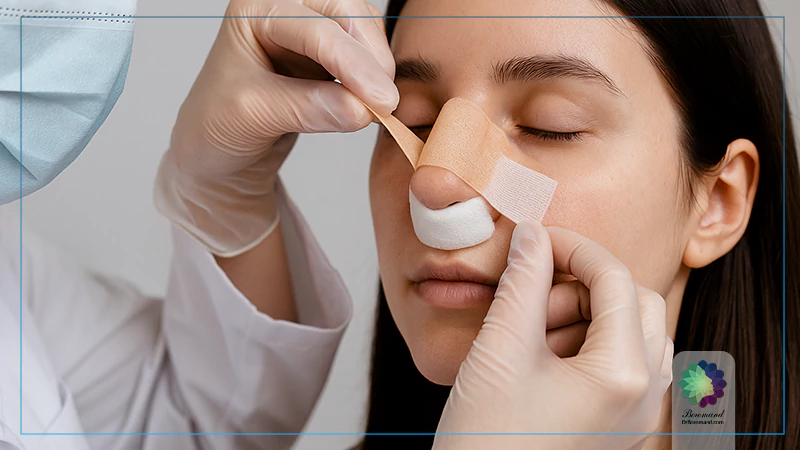 In most cases, nasal tape should be changed once every 24 hours, especially during the early weeks of recovery. Daily replacement ensures the skin remains clean, prevents buildup of oils and bacteria under the tape, and allows you to monitor for any signs of irritation or allergic reactions. Before each reapplication, it’s important to cleanse your skin gently and allow it to fully dry to help the new tape adhere properly.
In some cases, your surgeon may recommend taping every other night or adjusting the frequency based on your skin type, healing speed, or degree of swelling. Always follow your surgeon’s personalized instructions, as over-taping or irregular taping may impact your final results.
When Can You Stop Taping Your Nose?
Most patients can stop taping their nose after 6 to 8 weeks, depending on the level of swelling and the skin thickness. Thicker-skinned individuals may benefit from continued taping for a longer period.
Your surgeon will provide personalized guidance on when it’s safe to discontinue this practice.
How to Safely Remove Tape from Your Nose
Removing the tape from your nose after rhinoplasty should always be done gently to avoid damaging the delicate healing skin or disturbing the nasal structure. Begin by moistening the tape with lukewarm water or using a damp cotton pad to help loosen the adhesive. Wait a few minutes to allow the tape to soften. Then, slowly and carefully peel it off, starting from the edges and pulling in the direction of hair growth to minimize irritation. Never pull the tape off quickly or forcefully, as this can cause redness, swelling, or even disrupt the surgical site. If any part of the tape sticks stubbornly, reapply moisture and give it more time to release. Always follow your surgeon’s recommendations when removing or reapplying tape.
Is Nose Taping Different After Revision Rhinoplasty Compared to Primary Rhinoplasty?
Yes, nose taping after revision rhinoplasty often differs from the approach used after a primary rhinoplasty. Revision procedures involve previously altered nasal tissues, which may be more fragile, scarred, or structurally complex. As a result, surgeons may recommend gentler taping techniques, shorter durations, or more customized placement to avoid excessive pressure on delicate areas. Additionally, swelling after revision surgery can be more prolonged, making consistent taping even more critical—yet requiring more care. Unlike primary cases, where the focus is mainly on reducing general swelling and guiding the skin to redrape, revision taping often emphasizes targeted support and protection of reconstructed or grafted areas. Always follow your surgeon’s personalized instructions to ensure safe and effective recovery in revision cases.
How Is Nose Taping After Surgery with Dr. Boromand?
Thanks to Dr. Boromand’s meticulous post-operative protocols and patient education, taping after rhinoplasty under his care is both effective and easy to follow. He provides clear, personalized instructions to ensure that each patient knows exactly how and when to tape their nose for optimal healing. Dr. Boromand emphasizes strategic taping methods that minimize swelling, support nasal shape, and reduce the risk of tip drooping, particularly important for patients with thicker skin.
His approach to nose taping reflects the same precision and care seen in his surgical technique. By guiding patients step-by-step and selecting the most suitable materials, Dr. Boromand helps them achieve smoother, more refined results with greater comfort during recovery.
Watch the educational video on nose taping by Dr. Peyman Boromand
Frequently Asked Questions (FAQs)
Can I apply makeup over the tape?
It’s best to avoid applying makeup over the tape, as it may prevent the tape from sticking properly and increase the risk of skin irritation or infection.
What type of tape is best for sensitive skin?
Patients with sensitive skin should use hypoallergenic paper tape or silicone-based medical tape to reduce the risk of redness, itching, or allergic reactions.
Should I tape my nose if I had a revision rhinoplasty?
Yes, in most cases. Taping after revision rhinoplasty can still help reduce swelling and stabilize the tissues, but always follow your surgeon’s specific advice, as the approach may vary.
Can I skip taping for a few nights?
Occasional skipping may not significantly affect the outcome, but consistency is key for optimal results. Regular taping supports the nose’s new shape and helps manage swelling more effectively.
Will taping affect my breathing?
If applied correctly, nasal taping should not interfere with breathing. Be careful not to tape too tightly or cover the nostrils.
Is it normal for the tape to peel off while I sleep?
Yes, it can happen—especially if skin is oily or the tape wasn’t applied firmly. If it comes off, gently clean your skin and reapply a fresh set the next evening.
Should I tape both the bridge and the tip of the nose?
Yes, most surgeons recommend taping both areas. Supporting the bridge reduces swelling, while lifting the tip prevents drooping during healing.
Can I use bandage tape instead of surgical tape?
It’s not recommended. Bandage tape is often too sticky and not breathable. Always use micropore or surgical-grade tape designed for facial use.
What should I do if the tape causes acne or clogged pores?
If you notice breakouts, take a short break from taping, clean your skin thoroughly, and switch to a more breathable, hypoallergenic tape. Inform your surgeon for further advice.
Is nose taping effective for everyone?
Taping is especially helpful for patients with thick skin, oily skin, or prolonged swelling, but not every patient may need it long-term. Your surgeon will evaluate your progress and adjust the recommendation accordingly.
Free Consultation with the Doctor
For more information and to discuss your condition,contact Dr. Boromand on WhatsApp.
Free consultation on WhatsApp




Hi Dr, do you recommend massaging the nose
Hello. Nasal massage is not routinely recommended and is only suggested in specific situations. For example, if there is a depression on the nose or if significant swelling persists after some time, a particular type of massage may be advised. It’s best for your doctor to examine you first and recommend nasal massage only if it is truly necessary.
I had rhinoplasty about 6-8 weeks ago. My surgeon advised me to use tape and do gentle massages for a while, which I followed. Recently, I’ve been feeling a sharp, shooting pain on one side of my nose, and I’ve noticed a small indentation in that area.
It is been about 10 days since I stopped using tape, and during this time I feel like the shape of my nose has changed for the worse. Is this kind of pain and change in shape normal at this stage, or should I be concerned?
Hello. At 6 to 8 weeks after rhinoplasty, the healing process is still ongoing, and the tissues may be sensitive, swollen, or even slightly asymmetric. The sharp, shooting pain you feel can be due to the healing of fine nerves or stretching of tissues, which is usually temporary. A slight indentation or change in shape may also be temporary and caused by uneven swelling or scar tissue, and in many cases, it improves over time.
However, since you have clearly noticed a change in shape and an indentation, it’s best to visit your surgeon for an accurate examination. Some issues, if diagnosed early, can be managed with simpler methods such as corrective massage or steroid injections, without the need for more extensive procedures.
It’s about 3 month after my rhinoplasty. Few days ago when I was changing the tape, I felt like one side of my nose sink in a bit.
Now without the tape I can see a small dent line there. I’m worried a lot. Does this kind of dent usually fix by itself or I need to do something? Please guide me, thank you.
Hi, at around 3 months post-op, it’s still early in the healing process, swelling and tissue remodeling can continue for up to a year. A small dent or irregularity can sometimes appear temporarily due to uneven swelling, pressure from taping, or how the tissues are settling.
In many cases, these minor dents improve on their own over time. However, it’s important to avoid pressing or manipulating the area. If the dent remains or worsens in the coming months, there are non-surgical options like steroid injections or minor revision procedures, if needed but often patience is the best approach early on.
If you’d like, I can check it in an online consultation to give you more specific advice based on how it looks now.
Hi I had my nose surgery about 4 months ago and only used tape for the first two months. Now people keep telling me I should still be taping or my nose might get deformed. Is that true?
Also I had a fracture on the upper part of my nose before, and that area still hurts sometimes. I noticed there is some loose skin there too . when I pull my skin from both sides, it seems like there’s extra tissue. Just wondering, should I still be taping? And is the pain normal after all this time?
Hello,
After nose surgery, it is generally recommended to use tape or a splint for 4 to 6 weeks to help shape the nose and reduce swelling. However, after two months, continuous use of tape is usually not necessary, and continuing to tape typically does not affect the shape of the nose. So, the idea that you still need to tape your nose after 4 months is not accurate and is mostly based on caution or personal experience.
The pain in the area where you had the fracture may persist for a few months, but if the pain is severe, frequent, or accompanied by significant swelling, it is best to inform your doctor to rule out infection or other complications.
The looseness of the skin and presence of extra tissue may be related to residual swelling, tissue changes, or skin stretching, which are normal after surgery and tend to improve over time.
Ultimately, I recommend consulting with your surgeon to have your condition evaluated more precisely and receive more specific guidance if needed.