
Rhinoplasty, or nose reshaping surgery, is one of the most transformative cosmetic procedures, but it also requires patience. While many patients are eager to see their final results right away, the truth is that your nose continues to change for months after surgery.
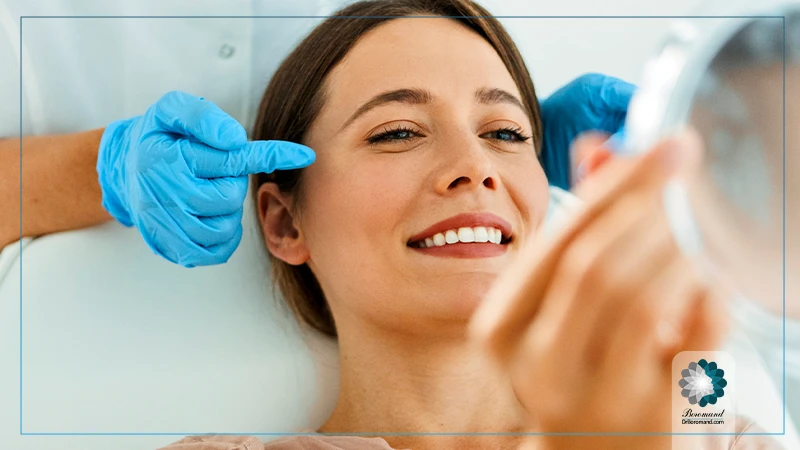
Understanding what’s normal during recovery can help reduce anxiety and set realistic expectations. In this guide, we’ll break down exactly how long it takes for a nose job to look “normal,” what to expect week by week, and how to support smooth healing.
What to Expect After Rhinoplasty
Immediately after your surgery, your nose will look swollen, bruised, and possibly uneven, this is completely normal. Swelling is part of the body’s healing process, and it can take several months to fully resolve. The key is to know what to expect at each stage so you can monitor your progress confidently.
Rhinoplasty Recovery Timeline (Week-by-Week Guide)
Every rhinoplasty recovery is unique, but most patients follow a similar pattern of healing. Below is a realistic week-by-week overview of how your nose and overall appearance change after surgery.
Week 1: Initial Healing and Protection
The first week after rhinoplasty is all about protection and rest.
- A splint or tape is usually placed over your nose to protect its new shape.
- Swelling and bruising around the eyes and cheeks are at their peak during the first 3–5 days.
- Breathing through the nose can feel congested or blocked due to internal swelling.
- Pain is typically mild to moderate and well controlled with prescribed medication.
- Most patients attend their first follow-up appointment around day 6 or 7 for splint removal.
If You’re Traveling to Iran for Rhinoplasty
Many international patients choose to have their nose surgery performed in Iran because of the country’s world-class rhinoplasty surgeons and affordable prices. If you’re planning to return to your home country soon after surgery, it’s important to allow enough time for initial healing and follow-up care.
Ideally, you should stay in Iran for at least 7–10 days after your procedure to ensure proper recovery and have your splint removed by your surgeon before flying. For detailed guidance on how long to stay and when it’s safe to travel, visit our full guide on how long you should stay in Iran after nose surgery
Weeks 2–3: Early Visibility of Results
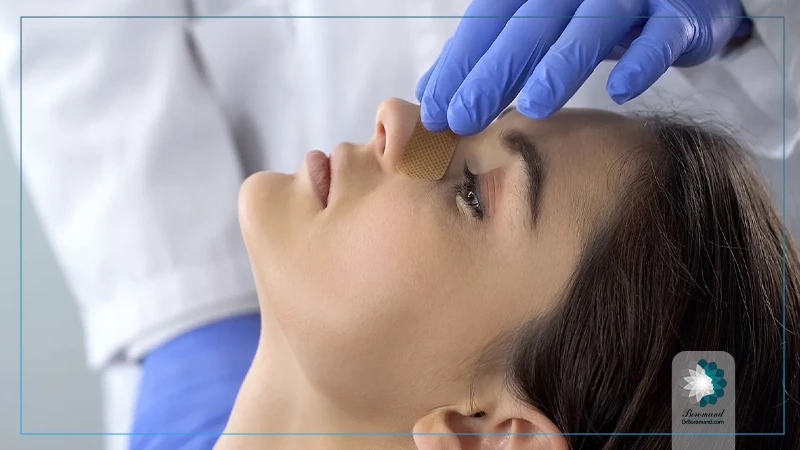 Bruising fades rapidly; most discoloration is gone by week 3.
- Swelling reduces by about 20–30%, especially over the bridge.
- The nose still feels firm, slightly numb, and “puffy,” especially at the tip.
- You can return to light daily activities and desk work.
- Avoid strenuous exercise, bending forward, or wearing glasses.
What you’ll notice: Your nose starts to look more natural from a distance. Friends or colleagues may not notice the surgery unless they look closely.
Weeks 4–6: Transition to a Natural Look
- Most of the visible swelling subsides (around 50% of total).
- The nasal bridge appears smoother, and definition begins to return.
- The tip, however, may still look rounder or firmer than expected — this is normal.
- Gentle exercise can resume if cleared by your surgeon.
- You’ll likely feel comfortable attending social events or taking photos.
What you’ll notice: By this stage, your nose looks close to “normal” in daily life, though subtle swelling remains under the skin.
Months 2–3: Shape Refinement Phase
- Internal healing continues, and residual swelling keeps reducing (about 60–70% resolved).
- The nasal bridge and upper third of the nose refine noticeably.
- The tip remains the last area to settle, especially for thicker-skinned patients.
- Sensation gradually returns, and stiffness improves.
What you’ll notice: Your nose blends naturally with your facial features, looking balanced and proportionate though the final definition is still on the way.
Months 4–6: Confidence Stage
- You can now appreciate the majority of your rhinoplasty results.
- The tip starts to take on a more delicate contour.
- Minor asymmetries or irregularities from early swelling usually even out.
- Most patients feel socially and professionally “back to normal.”
What you’ll notice: In photos and everyday interactions, your nose looks natural and well-healed. Friends might only notice that “something looks better” without realizing you had surgery.
Months 6–12: Final Refinement and Maturation
- The final 20–30% of swelling resolves slowly, especially in the nasal tip and soft tissue.
- Scar tissue softens and contracts, revealing finer definition.
- Subtle improvements continue month by month.
- Your surgeon may assess the final outcome and, if necessary, suggest minor refinements.
What you’ll notice: By the one-year mark, your nose has settled into its permanent shape — refined, natural, and harmonious with the rest of your face.
Month 12 and Beyond: The Final Result
- Your rhinoplasty result is now fully matured.
- The skin has adapted to the new structure beneath.
- The nose feels completely natural to touch and movement.
- In revision or complex cases, full healing may take up to 18–24 months.
Rhinoplasty 1 Month vs 1 Year: What’s the Difference?
At one month after rhinoplasty, your nose is still in the early stages of healing. Most of the swelling on the bridge has subsided, but the nasal tip remains firm, swollen, and less defined. The skin and soft tissue are still adapting to the new underlying structure, so your nose may appear slightly wider or asymmetrical. This is completely normal and temporary.
By contrast, one year after surgery, your nose has fully matured. The swelling is gone, definition has improved, and the final contours are visible. The nasal tip becomes softer, the bridge smoother, and the overall balance of your facial features is restored. What might have seemed uneven or swollen early on usually refines beautifully over time.
In short:
- At 1 month: You’re seeing only about 50–60% of the result.
- At 1 year: You’re enjoying the final, natural outcome, subtle, refined, and stable.
Patience is key during the healing process; the most natural-looking noses are those allowed to evolve at their own pace under proper surgical care and follow-up.
Rhinoplasty After 20 Years: What to Expect
 Even decades after surgery, your rhinoplasty results can remain stable if performed correctly and maintained with care. However, natural aging, skin thinning, and tissue relaxation may subtly change the nose’s appearance over 20 years. In some cases, patients notice a drooping nasal tip, minor asymmetries, or breathing changes due to structural shifts.
If desired, a revision or touch-up rhinoplasty can restore balance and function. The key is choosing an experienced facial plastic surgeon who understands both your past surgery and current anatomy.
When Will My Nose Look Normal?
For most people, your nose will look presentable within 3-4 weeks, natural in appearance by 3–6 months, and fully refined in one year.
Patients with thicker skin, complex revisions, or grafting may experience slightly longer recovery times. Conversely, those with thinner skin and simpler reshaping procedures may notice results sooner.
Factors That Affect Recovery Time
- Skin thickness: Thicker skin retains swelling longer.
- Surgical technique: Open rhinoplasty may cause more swelling than closed.
- Postoperative care: Following your surgeon’s instructions carefully speeds recovery.
- Lifestyle habits: Avoiding smoking, alcohol, and salty foods can help reduce swelling.
- Individual healing: Genetics, age, and health all play a role.
Final Thoughts
Healing after rhinoplasty is a journey that requires both care and patience. While your nose may not look “normal” right away, each week brings visible improvement. Most patients can confidently return to social life within a few weeks, and by one year, enjoy a beautifully refined, natural-looking result.
As Dr. Peyman Boroumand emphasizes, the best rhinoplasty result is one that looks natural, balanced, and harmonious with your unique facial features, not rushed.
If you’re considering rhinoplasty in Iran, choosing an experienced, fellowship-trained facial plastic surgeon ensures both safety and artistry in your outcome. With Iran’s reputation for skilled surgeons and high surgical standards, patients from around the world continue to trust it as one of the top destinations for nose surgery.


Free Consultation with the Doctor
For more information and to discuss your condition,contact Dr. Boromand on WhatsApp.
Free consultation on WhatsAppRelated Articles
What Not to Do After Rhinoplasty
December 2, 2025Types of Noses: Understanding Shapes, Features, and ...
November 9, 2025How Long Does It Take for a ...
October 27, 2025Greek Nose: Meaning, Aesthetic Ideal, and Modern ...
October 4, 2025Why Is Iran the Best Country to ...
September 24, 2025How Long Should You Stay in Iran ...
September 14, 2025