
Rhinoplasty is one of the most delicate and technically demanding procedures in facial plastic surgery. While surgical precision plays a major role in the final result, the post-operative period is equally important. Many patients are unaware that certain habits, simple mistakes, or lifestyle choices can negatively influence healing, increase swelling, or even alter the surgical outcome.
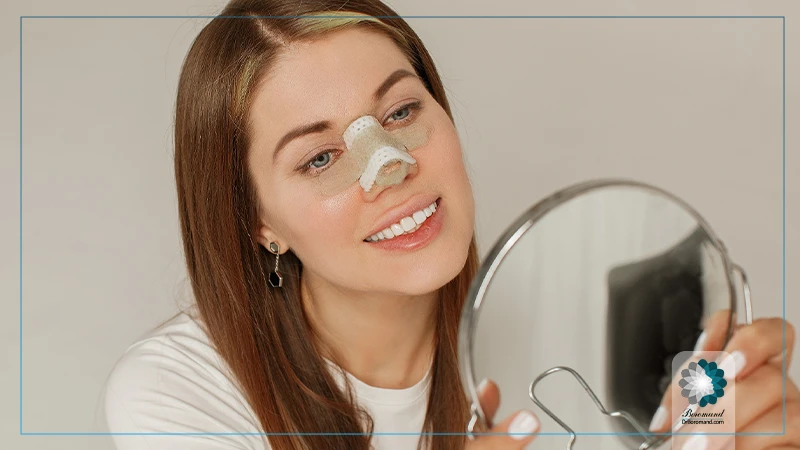
This comprehensive guide outlines everything you should NOT do after rhinoplasty, based on clinical evidence and the best practices followed by rhinoplasty specialists. By avoiding these common mistakes, patients can support optimal healing and maximize the long-term aesthetic and functional results of their surgery.
Do NOT Touch, Press, or Manipulate Your Nose
Any external pressure can disrupt the delicate arrangement of bones, cartilage, and soft tissue during early healing. Even light pressure from fingers can shift swelling or irritate sutures.
Avoid:
- Rubbing or scratching the nose
- Pinching the nasal tip
- Adjusting the nasal splint yourself
- Resting the nose on your hand while sleeping
Do NOT Wear Glasses Unless Approved by Your Surgeon
Eyeglasses place direct weight on the nasal bridge. During the first few weeks, this pressure can alter bone alignment or leave dents in the soft tissue.
Patients should:
- Switch to contact lenses temporarily
- Use a forehead-supported frame holder if glasses are necessary
- Avoid sunglasses entirely for several weeks
Do NOT Blow Your Nose
Blowing the nose increases internal pressure and may cause bleeding, open internal sutures, or worsen swelling.
Instead:
- Gently dab the nostrils if needed
- Use saline sprays recommended by your surgeon
- Sneeze with your mouth open
Read more: Nasal Wash After Nose Job
Do NOT Sleep on Your Side or Stomach
 Sleeping in these positions can place uneven pressure on the nose and shift the nasal bones or cartilage grafts.
Patients should:
- Sleep on their back
- Use extra pillows to keep the head elevated
- Maintain a 30–45 degree incline for at least the first few weeks
Do NOT Engage in Heavy Exercise or Strenuous Activity
Physical exertion increases blood flow to the face and raises blood pressure, increasing the risk of bleeding, swelling, and poor healing.
Avoid for at least 3–6 weeks:
- Heavy gym workouts
- Running or high-intensity cardio
- Contact sports
- Yoga positions that place the head below the heart
Read more: Bleeding After Nose Surgery
Do NOT Expose Your Nose to Sunlight or Heat
 The skin of the nose is highly sensitive after surgery. Sun exposure can cause pigmentation changes, prolonged swelling, and delayed healing.
Avoid:
- Direct sunlight
- Tanning beds
- Saunas, steam rooms, hot tubs, or hot yoga
Use high-SPF sunscreen once the skin has healed enough for application.
Do NOT Ignore Post-Operative Instructions or Skip Follow-Up Appointments
Your surgeon monitors healing, swelling progression, and early signs of complications. Missing follow-ups can allow minor issues to go unnoticed.
Patients should:
- Attend all scheduled appointments
- Follow instructions on taping, cleaning, and medication
- Report unusual symptoms promptly
Do NOT Get Your Cast or Splint Wet
A wet splint loosens and loses its supportive ability, potentially affecting the alignment of the nasal bridge.
Be cautious when:
- Showering
- Washing your face
- Applying skin products
Use a damp cloth around the face and protect the nasal splint carefully.
Do NOT Smoke or Vape
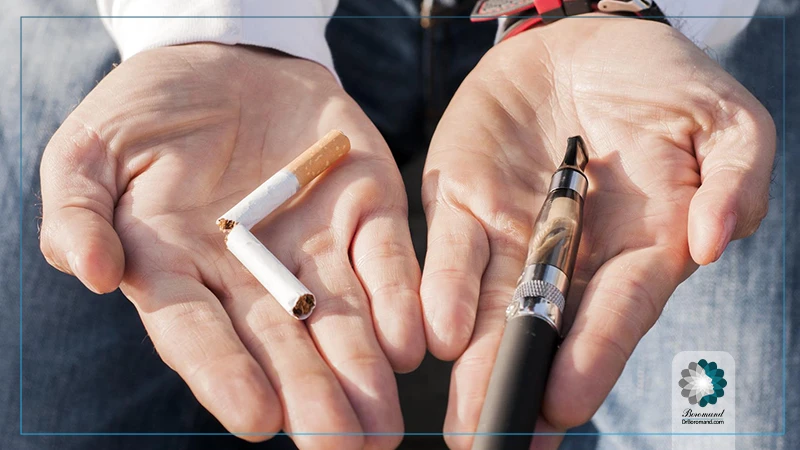 Nicotine reduces blood flow, delays healing, increases infection risk, and negatively affects the skin and mucosal recovery.
Patients should avoid:
- Cigarettes
- Vaping
- Nicotine gum or patches (unless approved by the surgeon)
Do NOT Consume Alcohol in the Early Post-Operative Period
Alcohol causes blood thinning, increases swelling, and interacts with prescribed pain medications. It may also contribute to dehydration, which impairs healing.
Avoid alcohol for at least 1–2 weeks unless your surgeon gives specific clearance.
Do NOT Eat Foods High in Salt
Sodium causes fluid retention and facial swelling, which is counterproductive after rhinoplasty.
Avoid for the first few weeks:
- Processed snacks
- Fast foods
- High-sodium canned or packaged meals
Do NOT Wear Makeup on or Near the Nose Initially
Makeup can irritate sensitive skin, introduce bacteria, or disrupt healing incisions. Wait until your surgeon confirms it is safe to apply products to the surgical area.
Do NOT Travel by Air Too Soon
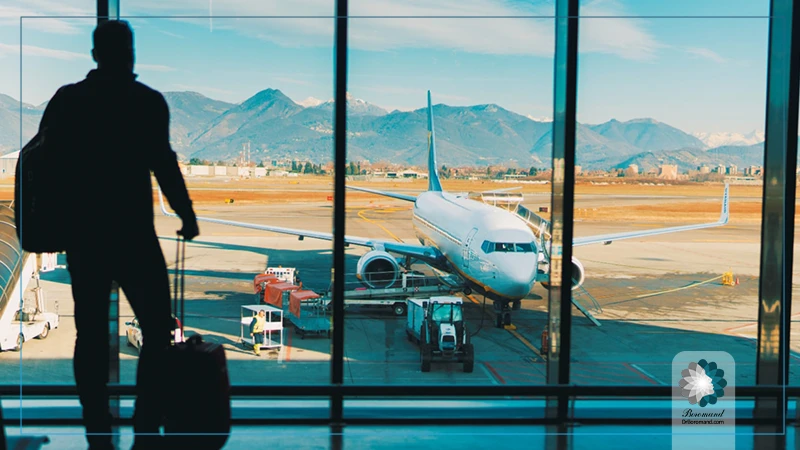 Cabin pressure can increase sinus pressure and swelling, and the risk of dehydration is higher.
Short flights: often acceptable after 1 week with clearance
Long flights: may require waiting 10 days or more
Read more: How Long Should You Stay in Iran After Nose Surgery
Do NOT Expect Immediate Final Results
Rhinoplasty results take time to refine.
Typical healing timeline:
- 2–3 weeks: major swelling reduced
- 3 months: shape becomes more defined
- 6–12 months: final nasal contour visible
Avoid judging your outcome prematurely or comparing your early result to others.
Read more: How Long Does It Take for a Nose Job to Look Normal
Do NOT Use Unsanctioned Home Remedies
Common mistakes include:
- Applying ice directly to the nose
- Using herbal supplements without approval
- Trying massage techniques without professional guidance
Only follow treatments recommended by your surgeon.
Does Dr. Boroumand Provide These Post-Operative Instructions to His Patients?
Yes. Dr. Boroumand provides all of these post-operative guidelines to patients undergoing both primary rhinoplasty and revision rhinoplasty. His approach focuses on detailed education before and after surgery to ensure patients understand exactly what they must avoid during recovery. This includes personalized instructions based on the surgical technique used, the patient’s anatomy, and whether the procedure is a first-time operation or a complex revision case.
As one of the specialists in advanced nose surgery in Iran, particularly in Tehran, Dr. Boroumand emphasizes structured postoperative care to protect the surgical result, reduce complications, and optimize long-term aesthetic and functional outcomes. His patients receive clear written and verbal guidance, along with ongoing follow-up to monitor healing and adjust recommendations as needed.


Free Consultation with the Doctor
For more information and to discuss your condition,contact Dr. Boromand on WhatsApp.
Free consultation on WhatsAppRelated Articles
What Not to Do After Rhinoplasty
December 2, 2025Types of Noses: Understanding Shapes, Features, and ...
November 9, 2025How Long Does It Take for a ...
October 27, 2025Greek Nose: Meaning, Aesthetic Ideal, and Modern ...
October 4, 2025Why Is Iran the Best Country to ...
September 24, 2025How Long Should You Stay in Iran ...
September 14, 2025