
Rhinoplasty is a transformative procedure that enhances both the appearance and functionality of the nose. However, during the recovery phase, some patients may experience an unpleasant smell inside the nose. While this symptom is typically temporary and not serious, it can be uncomfortable and, in some cases, signal an underlying issue that requires medical attention.
In this in-depth article, we will explain the common causes of bad nasal odor after nose surgery, offer practical prevention tips, and outline effective treatment options. Understanding what’s normal and when to seek help can greatly improve your recovery experience and overall surgical outcome.
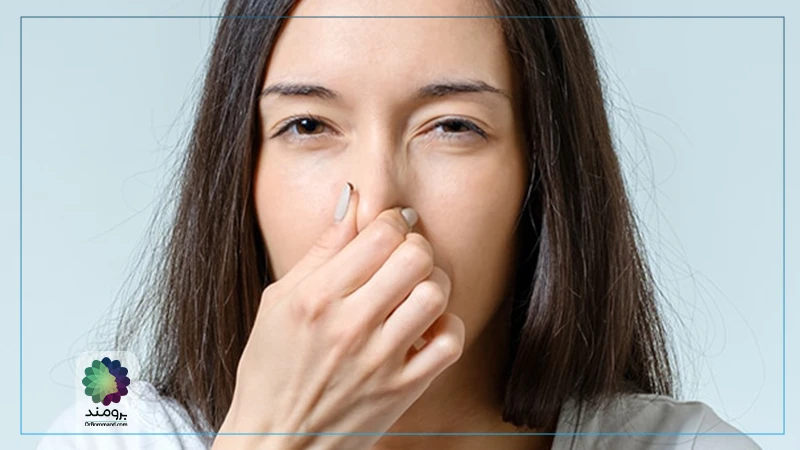 What Causes a Bad Smell After Nose Surgery?
A bad smell inside the nose after rhinoplasty is not uncommon and usually develops within the first few weeks post-surgery. Several factors can contribute to this issue:
1. Crusting and Dried Blood
As the nose heals, dried blood and mucus may accumulate inside the nasal passages. These crusts can trap bacteria and emit an unpleasant, stale odor. This is one of the most common and benign causes.
2. Dissolving Sutures
If open rhinoplasty is performed, surgeons often use absorbable sutures inside the nose. As these dissolve, they may mix with mucus and produce a subtle, chemical-like or sour smell.
3. Bacterial Imbalance or Mild Infection
Even without a full-blown infection, a shift in the nasal microbiome can result in a temporary overgrowth of bacteria, leading to a foul odor. This may occur if crusts are not properly cleaned or if nasal hygiene is compromised.
4. Blocked Sinuses or Mucus Buildup
Swelling in the nasal tissues can interfere with sinus drainage, causing mucus to stagnate. If mucus remains trapped, it may develop a rotten or musty smell, especially if accompanied by postnasal drip or congestion.
5. Poor Postoperative Hygiene
Failure to follow cleaning instructions or skipping saline rinses can allow debris and dried secretions to build up, increasing the chance of odor and infection.
Is It Normal to Have a Bad Smell After Rhinoplasty?
Yes, experiencing a mild to moderate nasal odor is relatively normal during the first few weeks of recovery. Most cases resolve on their own with regular nasal cleaning and proper aftercare. However, if the odor is persistent, worsening, or accompanied by other symptoms, further evaluation may be necessary.
When to See Your Surgeon
You should contact your surgeon if the bad smell is accompanied by any of the following warning signs:
- Thick yellow or green nasal discharge
- Fever or chills
- Increasing pain or facial pressure
- Continued bleeding
- A sudden increase in odor after initial improvement
These symptoms could indicate an infection, suture reaction, or sinusitis that needs medical treatment.
How to Prevent Bad Nasal Odor After Rhinoplasty
1. Perform Regular Saline Irrigation
Use saline sprays or prescribed nasal rinses several times a day to keep the nasal passages clean and moist. This helps remove crusts, dissolve mucus, and prevent bacterial buildup.
2. Avoid Blowing or Picking Your Nose
Aggressive nose blowing or inserting objects like cotton swabs can irritate healing tissues and introduce bacteria. Follow your surgeon’s guidelines for safe nasal care.
3. Use a Humidifier
Keeping the air humid, especially in dry climates or heated rooms, helps maintain healthy moisture in the nasal tissues, reducing crusting and odor.
4. Attend All Follow-Up Appointments
Your surgeon may need to perform professional cleanings (debridement) during follow-ups to remove internal crusts and check for early signs of complications.
5. Avoid Smoking and Dust Exposure
Smoking delays healing and increases the risk of infection and unpleasant odor. Similarly, dusty or polluted environments should be avoided during the early recovery phase.
Treatment Options for Persistent Bad Smell
If the unpleasant odor inside your nose continues beyond the typical healing window or worsens over time, it’s important to seek evaluation from your surgeon. Persistent bad smell may indicate trapped crusts, an unresolved infection, or issues with dissolving sutures. Fortunately, several treatment options are available depending on the underlying cause. Your doctor will determine the most appropriate approach based on a clinical exam and possibly imaging.
Common treatment options include:
- In-office nasal cleaning to remove crusts and debris
- Topical or oral antibiotics if infection is present
- Steroid sprays to reduce inflammation and promote sinus drainage
- Removal of absorbable sutures if they are not dissolving properly
- Imaging (e.g., CT scan) if sinus complications are suspected
Always follow your surgeon’s guidance and avoid self-medicating or using non-prescribed treatments inside your nose.
Recovery Support and Follow-Up Care
Proper aftercare is essential to a successful recovery. Surgeons provide detailed instructions for nasal hygiene, medications, activity restrictions, and follow-up appointments. Complying with these guidelines helps minimize side effects such as bad odor, ensures optimal healing, and supports a positive outcome.
Conclusion
A bad smell inside the nose after rhinoplasty is typically a temporary and manageable part of the healing process. Most causes—like crusting, suture absorption, and mild bacterial imbalance—are harmless and resolve with proper hygiene and saline rinsing. However, persistent or severe odor, especially when paired with other symptoms, may signal a complication that requires medical attention.
By understanding the causes and following appropriate prevention and treatment strategies, you can reduce discomfort and stay on track for a smooth, successful recovery.
Frequently Asked Questions (FAQ)
How long does the bad smell usually last after nose surgery?
For most patients, the unpleasant odor fades within 2 to 4 weeks as swelling subsides and crusts are naturally cleared. If the smell persists beyond 6 weeks, it may require medical evaluation to rule out infection or retained debris.
Does everyone experience a bad smell after rhinoplasty?
No, not all patients will experience a bad smell. It tends to occur more frequently in cases involving open rhinoplasty, thicker nasal secretions, or inadequate postoperative cleaning. Those who follow aftercare instructions closely may avoid it altogether.
Can I use essential oils or scented sprays to mask the odor?
It is strongly discouraged to use essential oils, scented sprays, or any unapproved substances inside or near the nose during the healing phase. These can irritate sensitive tissues, increase inflammation, and potentially worsen the smell or delay healing.
Is the bad smell a sign that the rhinoplasty didn’t work?
No, a bad smell is not a reflection of the success or failure of the rhinoplasty itself. It is usually a temporary side effect of healing or an issue related to hygiene. Surgical outcomes are judged by structure, symmetry, breathing function, and aesthetics—not by short-term symptoms like odor.
Can allergies cause or worsen the bad smell after rhinoplasty?
Yes. Allergic reactions can cause increased mucus production and nasal congestion, which may trap secretions and contribute to a bad smell. If you have known allergies, managing them post-surgery is important for minimizing odor and maintaining airflow.
Is there a difference between open and closed rhinoplasty in terms of experiencing bad smell after surgery?
Yes, there can be a difference. Open rhinoplasty often involves more extensive internal exposure and dissolvable sutures, which may slightly increase the likelihood of crusting and temporary odor during healing. Closed rhinoplasty, being less invasive, may have a lower risk of this issue due to limited tissue manipulation.
For a detailed look at the causes, prevention, and treatment of this issue, read our full article on open vs. closed rhinoplasty and how each approach may influence the healing experience, including nasal odor.
Free Consultation with the Doctor
For more information and to discuss your condition,contact Dr. Boromand on WhatsApp.
Free consultation on WhatsApp




hi I am about 2 weeks post op and have noticed a weird smell in my nose kind of like something stale or metallic. Is that normal? Should I be worried, or is this just part of the healing process?
Hello. What you are describing a stale or metallic smell in the nose about two weeks after surgery is something that can occasionally occur during the healing process. It’s often related to dried blood, crusting, or the normal breakdown of tissue as the area heals. This is especially common after nasal or sinus procedures.
However, it’s important to monitor your symptoms closely. If the smell becomes increasingly strong, is accompanied by thick or discolored discharge, new or worsening pain, swelling, or fever, those could be signs of an infection, and you should contact your surgeon.
In the absence of those warning signs, this type of odor can be a normal part of the post-operative course and often improves as healing progresses and the nasal passages are cleaned and decongested over time.
Using any post-op rinses or saline sprays as instructed can also help reduce crusting and odor. If you are unsure or the symptom is particularly bothersome, it’s always a good idea to check in with your surgeon for reassurance and an exam.