
Undergoing a rhinoplasty (nose job) is a highly personal and transformative decision. For many individuals, it’s not just about aesthetics; it’s about boosting self-confidence, improving facial harmony, or addressing functional breathing issues. Among the most crucial choices you’ll face before the surgery is deciding on the right style of nose: natural, semi-fantasy, or fantasy (a.k.a. doll-like).
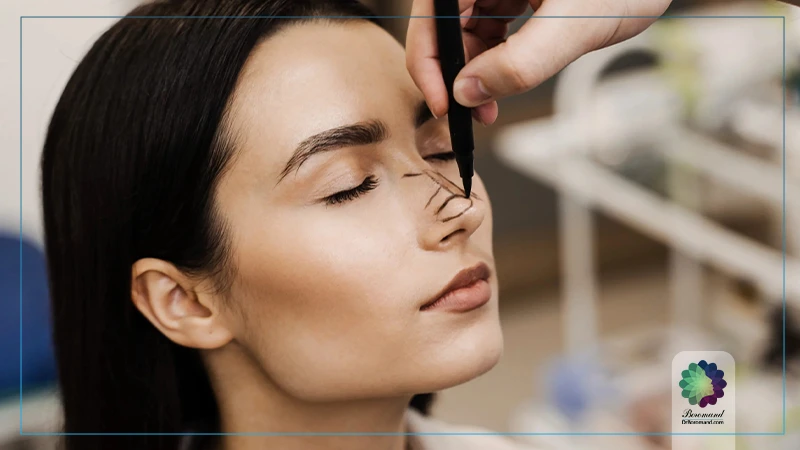 This guide will walk you through everything you need to know about the differences between these rhinoplasty styles, their unique advantages and drawbacks, and how to select the most suitable option based on your facial features, lifestyle, and personal goals.
Types of Rhinoplasty Styles
There are three main nose job styles commonly performed today:
- Natural Nose Job
- Fantasy Nose Job (Doll-like)
- Semi-Fantasy Nose Job
Each has its own characteristics and is best suited for specific face shapes and anatomical conditions. Let’s explore each one in detail.
Natural Nose Job
In a natural rhinoplasty, the goal is subtle enhancement. The surgeon corrects any deformities or disproportions while maintaining the original essence of your nose. The final result looks so harmonious and unobtrusive that most people won’t even notice you’ve had surgery.
Best for:
- Individuals wanting a realistic, unoperated appearance
- Those with functional breathing concerns
- Men (who typically prefer more masculine, natural-looking results)
Key Features:
- Minimal tip rotation
- Straight nasal bridge or slight curvature
- Preserved nasal identity
Fantasy Nose Job (Doll-like)
This is the most dramatic style. A fantasy nose job creates a smaller, more upturned nose with a pronounced bridge curve. It’s ideal for patients seeking a highly stylized or ‘perfected’ look, often popularized by social media influencers and celebrities.
Best for:
- Slim or angular facial features
- Women aiming for a more refined, delicate, or glamorous appearance
Key Features:
- High nasal rotation (typically 110°–120° between nose tip and upper lip)
- Sharper and narrower nasal tip
- Deep concave bridge (ski-slope shape)
Note: If not carefully planned and executed, this style may lead to breathing difficulties or an artificial appearance, which in some cases may require a revision rhinoplasty to correct both aesthetic and functional issues.
Semi-Fantasy Nose Job
This hybrid approach blends the elegance of the fantasy style with the realism of the natural one. It’s a middle-ground option for those who want cosmetic enhancement but still wish to maintain a somewhat natural look.
Best for:
- Those wanting visible but not exaggerated changes
- Patients with medium-thickness skin
Key Features:
- Moderate tip lift (95°–110°)
- Subtle curvature in the bridge
- Balanced between soft femininity and structural realism
Other Popular Nose Shapes in Iran and Beyond
In addition to the main styles, some designer nose shapes have gained popularity, especially in Middle Eastern and Iranian aesthetic culture:
- Button Nose: Small, dainty, and rounded tip; feminine and cute.
- French Nose: Elegant with a slight concave slope; often slimmer in profile.
- Stylish Nose: A fusion between natural and semi-fantasy, maintaining balance and harmony.
- Cat Nose: Extremely upturned with a dramatic curve; best suited for highly stylized or makeup-heavy looks.
Key Differences Between Natural, Semi-Fantasy, and Fantasy Nose Jobs
 Let’s break down the essential distinctions across these styles:
1. Tip Rotation (Naso-labial Angle)
| Style | Tip Angle (approx.) | Effect |
| Fantasy | 110°–120° | Very upturned, doll-like |
| Semi-Fantasy | 95°–110° | Moderately upturned |
| Natural | 90°–95° | Barely lifted, realistic |
2. Bridge Shape (Dorsal Profile)
- Fantasy: Deep concave or ski-slope shape
- Semi-Fantasy: Gentle curve
- Natural: Straight or slightly curved
3. Nostril Shape and Size
- Fantasy: Small, symmetrical, delicate
- Semi-Fantasy: Slightly smaller than natural, still organic-looking
- Natural: Minimal changes, original contour retained
4. Degree of Change from Original Nose
- Fantasy: Major transformation
- Semi-Fantasy: Moderate enhancement
- Natural: Subtle correction only
5. Suitability for Skin and Structure
- Fantasy: Ideal for thin skin and bony noses
- Semi-Fantasy: Works with both bony and fleshy noses (if structure allows)
- Natural: Suitable for all types, especially thick-skinned (fleshy) noses
Matching Nose Style to Face Shape
A successful rhinoplasty doesn’t just create a beautiful nose—it creates a nose that fits seamlessly with your whole face. Here’s how different styles pair with various facial shapes:
Round Face
Features: Full cheeks, soft jawline
Recommended Styles:
- Natural or semi-fantasy with gentle curves
- Avoid overly upturned or small noses
- Button or French nose (with moderation) may work well
Long (Oblong) Face
Features: High forehead, narrow jaw
Recommended Styles:
- Semi-fantasy or fantasy with a more curved bridge
A slight tip lift helps balance vertical proportions - Cat-style nose (for stylized aesthetics) may suit some
Oval Face
Features: Balanced proportions
Recommended Styles:
- Almost any style works (natural, semi-fantasy, fantasy)
- Customization based on personal taste and profile is key
Square/Wide Face
Features: Strong jaw, wide cheeks
Recommended Styles:
- Natural or semi-fantasy with minimal curvature
- Avoid over-narrowing or extreme lifting
- Emphasize structure to maintain harmony
How to Choose the Right Nose Style for You
 Choosing the ideal nose style goes far beyond liking a photo on Instagram. Here are the critical factors to consider:
1. Face Shape and Harmony
Facial symmetry, proportions, and soft tissue volume all influence which style looks best. A one-size-fits-all approach never works in rhinoplasty.
2. Nose Type: Fleshy vs. Bony
- Bony noses: Thin skin, prominent bone structure. Easier to shape, suitable for fantasy or semi-fantasy.
- Fleshy noses: Thick skin, weaker cartilage. Better suited for natural or semi-fantasy styles to prevent regression or distortion.
3. Personal Goals and Aesthetic Preferences
Do you want a dramatic change or something subtle? Clarify your expectations before surgery—and communicate them clearly to your surgeon.
4. Functional and Medical Considerations
Some fantasy noses can obstruct airflow or weaken nasal support. If you have breathing issues or structural irregularities, choose functionally safe designs.
5. Consultation with an Expert Surgeon
Ultimately, your surgeon’s assessment of your facial anatomy, nasal health, and long-term outcomes will guide the final recommendation. Always opt for board-certified, experienced professionals.
Rhinoplasty in Iran
Rhinoplasty in Iran has gained international recognition, as the country is often referred to as the “nose job capital of the world.” Each year, thousands of patients—both domestic and international—choose Iran for cosmetic and functional nose surgeries, thanks to its highly skilled surgeons, advanced techniques, and cost-effective care.
Why Choose Iran for Rhinoplasty?
Iran offers a unique combination of medical expertise, aesthetic artistry, and affordability that makes it one of the top destinations for rhinoplasty worldwide. Iranian surgeons are renowned for their precision and experience, particularly in handling a wide variety of nasal structures. With modern clinics, personalized care, and a deep understanding of both natural and stylized results, patients can expect outcomes that are both functionally sound and visually harmonious. Additionally, the significantly lower costs compared to Western countries make Iran an attractive option for those seeking high-quality cosmetic surgery without compromising safety or results.
What Style of Results Does Dr. Boromand Perform?
Dr. Boromand tailors each rhinoplasty procedure to the unique preferences and facial structure of the individual patient. While he is skilled in all major styles including natural, semi-fantasy, and fantasy, he doesn’t take a one-size-fits-all approach. Instead, he emphasizes facial harmony, ensuring that the nose complements the patient’s entire face, not just in isolation.
Although patient preference plays an important role, Dr. Boromand offers his professional recommendations based on what will achieve the most balanced and aesthetically pleasing outcome. He carefully considers facial proportions, nasal anatomy, and the overall health of the nose. As long as the chosen style does not interfere with breathing function, he works to align the final result with the patient’s vision, striking the perfect balance between beauty, individuality, and medical integrity.
Frequently Asked Questions
Can I choose any nose style regardless of my original nose shape?
Not always. Your skin thickness, cartilage strength, and facial proportions limit which styles will look and function well.
Are fantasy nose jobs risky?
They can be, especially if overly aggressive. Common complications include nasal obstruction, poor healing, or an unnatural appearance.
How long is recovery for each style?
Recovery time is similar (around 1–2 weeks for swelling reduction), but fantasy styles may take longer for final results to settle due to more extensive reshaping.
Free Consultation with the Doctor
For more information and to discuss your condition,contact Dr. Boromand on WhatsApp.
Free consultation on WhatsApp


Related Articles
What Not to Do After Rhinoplasty
December 2, 2025Types of Noses: Understanding Shapes, Features, and ...
November 9, 2025How Long Does It Take for a ...
October 27, 2025Greek Nose: Meaning, Aesthetic Ideal, and Modern ...
October 4, 2025Why Is Iran the Best Country to ...
September 24, 2025How Long Should You Stay in Iran ...
September 14, 2025