
After rhinoplasty, some patients report an unusual sensation in the back of the throat, such as excessive mucus, mild congestion, or the need to clear the throat frequently. While this can be concerning, in most cases it is a temporary and harmless part of post-surgical healing involving the nasopharynx, the upper part of the throat behind the nose.
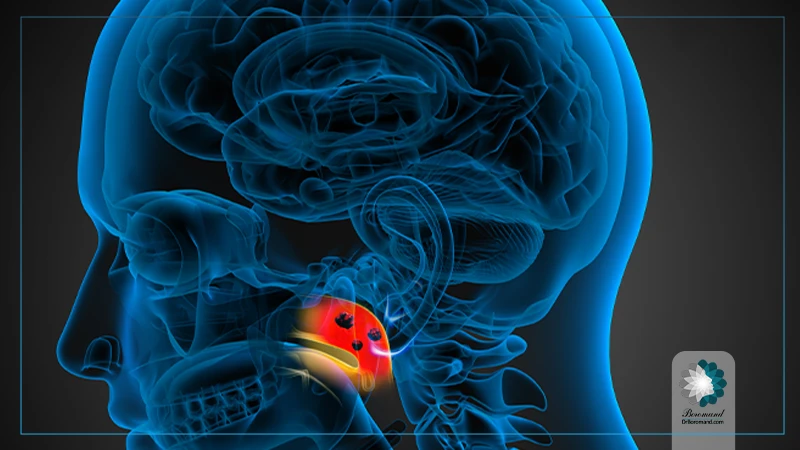 In this article, we’ll explain why these nasopharyngeal symptoms occur after rhinoplasty, how long they typically last, what’s considered normal, and when to consult your surgeon.
What Is the Nasopharynx and Why Is It Affected?
The nasopharynx is the upper part of the throat that connects to the back of the nasal cavity. It plays a role in breathing, swallowing, and drainage of mucus from the nose.
During rhinoplasty especially if the surgery includes internal correction of the nasal septum or turbinates—temporary inflammation or changes in airflow can affect this region. This may lead to:
- Feeling of mucus stuck in the throat
- Post-nasal drip (mucus draining down into the throat)
- Mild throat irritation or coughing
- Feeling of congestion in the upper throat
Common Causes of Nasopharyngeal Discomfort After Rhinoplasty
1. Post-Surgical Swelling
Swelling inside the nasal passages may affect the natural drainage of mucus into the throat, leading to temporary buildup or a “blocked” sensation.
2. Mucus Retention and Dryness
Medications, reduced air humidification, and limited nasal hygiene in the first week can cause thickened mucus that accumulates in the nasopharynx, especially when lying down.
3. Nasal Packing or Internal Splints
If internal nasal packing or splints are used, they can temporarily block airflow and change the way mucus drains, contributing to the sensation of a “stuffed” or “clogged” throat.
4. Breathing Through the Mouth
When patients are forced to breathe through the mouth (due to nasal obstruction), the back of the throat can become dry and irritated, which enhances discomfort or triggers coughing.
Is It Normal to Have Mucus in the Throat After Nose Surgery?
 Yes, in the early stages of recovery, some mucus accumulation in the back of the throat is completely normal. It usually improves within 1 to 3 weeks as swelling decreases and nasal function is restored.
In some cases, especially if turbinate reduction or septoplasty was part of the procedure, the healing process inside the nasal cavity may take longer and prolong this symptom.
When Should You See Your Surgeon?
You should contact your surgeon if you experience any of the following:
- Thick, yellow or green mucus suggesting infection
- Persistent bad breath or bad taste in the throat
- Fever or facial pain
- Bleeding mixed with mucus
- Severe post-nasal drip that worsens over time
These symptoms could indicate a sinus infection or post-operative complication that needs medical attention.
What Can You Do to Relieve Throat Discomfort?

Use Saline Nasal Spray
If cleared by your doctor, using a saline spray or rinse can help thin the mucus, keep nasal passages moist, and reduce throat drainage.
Stay Hydrated
Drinking plenty of water helps loosen mucus and soothe throat dryness, especially if you’re mouth-breathing during sleep.
Use a Humidifier
Adding moisture to the air can help prevent dryness in the nose and nasopharynx, especially in dry climates or air-conditioned rooms.
Avoid Clearing the Throat Aggressively
Repeated, forceful throat clearing can irritate the mucosa. Try gentle swallowing or sipping water instead.
Follow Your Post-Op Instructions
Proper aftercare—including keeping the head elevated and using prescribed sprays—will help reduce nasal swelling and improve breathing sooner.
What Dr. Boromand, ENT Specialist and Rhinoplasty Surgeon, Says About This
According to Dr. Boromand, a board-certified ENT specialist and experienced rhinoplasty surgeon, nasopharyngeal discomfort, such as mucus buildup or the sensation of something stuck in the throat, is a common and typically harmless part of the recovery process after nasal surgery.
He explains that these symptoms often result from temporary swelling in the nasal passages and changes in mucus drainage, especially when internal nasal structures are adjusted during surgery. Most patients experience noticeable improvement within the first few weeks, especially when they stay well-hydrated and follow post-operative care instructions closely.
Dr. Boromand also emphasizes that the quality of the surgical technique and attention to internal nasal anatomy play a significant role in minimizing long-term discomfort. This is why choosing a skilled and experienced surgeon is essential for a smooth recovery especially for international patients seeking a nose job in Iran.
By combining functional expertise as an ENT with aesthetic precision in rhinoplasty, Dr. Boromand provides a comprehensive approach that ensures both breathing comfort and cosmetic satisfaction.
Frequently Asked Questions (FAQ)
Why do I feel mucus in my throat after rhinoplasty?
This is typically due to swelling or temporary blockage of natural drainage pathways in the nasal cavity, causing mucus to collect and drain into the throat (post-nasal drip). It’s common in the first few weeks after surgery.
Is post-nasal drip normal after a nose job?
Yes. Post-nasal drip is a frequent and usually harmless symptom during recovery. It usually improves as nasal swelling decreases and normal airflow returns.
How long does mucus in the throat last after rhinoplasty?
Mild mucus or throat discomfort may last from a few days up to 3–4 weeks. In some cases involving septoplasty or turbinate reduction, symptoms may persist longer but gradually improve.
Can I clear my throat or cough after rhinoplasty?
Gentle throat clearing is acceptable, but frequent or forceful coughing should be avoided, as it can create pressure that interferes with healing.
Is the sensation of something stuck in my throat after rhinoplasty dangerous?
Not usually. It often results from mucus buildup or dryness in the nasopharynx. However, if it persists or worsens, consult your surgeon to rule out infection or reflux.
What helps relieve nasopharyngeal discomfort after nose surgery?
Staying hydrated, using a humidifier, and using surgeon-approved saline sprays can help relieve dryness and promote better mucus drainage.
Is a sore throat a sign of complication after rhinoplasty?
A mild sore throat can result from mouth breathing or nasal packing. If the pain is severe, persists more than a few days, or is accompanied by fever, seek medical advice.
Can rhinoplasty affect my sinuses or ears?
Temporarily, yes. Swelling and nasal congestion can impact sinus drainage or ear pressure. These symptoms usually resolve as healing progresses.
When should I be concerned about mucus or throat symptoms?
You should consult your surgeon if you notice thick yellow or green mucus, bad odor, persistent sore throat, bleeding, or fever—these could indicate infection.
How can I prevent post-nasal issues after rhinoplasty?
Follow your post-operative care instructions carefully, avoid dry environments, stay well hydrated, and do not self-medicate. Your surgeon may recommend specific sprays or rinses as you recover.
Free Consultation with the Doctor
For more information and to discuss your condition,contact Dr. Boromand on WhatsApp.
Free consultation on WhatsApp




thank you, it was helpful for me