
Mild bleeding after rhinoplasty or septoplasty is common and typically not a cause for concern. However, understanding what type and amount of bleeding is considered normal, and recognizing when it may signal a complication, is essential for every patient recovering from nose surgery.
 In this comprehensive guide, we’ll explore the causes of bleeding after nose surgery, what’s expected during recovery, when to seek medical help, and how to minimize bleeding through proper aftercare.
Why Bleeding Happens After Nose Surgery
Bleeding after rhinoplasty or septoplasty is a common occurrence, especially in the first 24 to 48 hours following surgery. This happens primarily because the procedure involves manipulation of delicate blood vessels inside the nasal structure. During the operation, tissues such as cartilage and bone are adjusted, removed, or reshaped, which can disturb small capillaries in the nasal lining. These blood vessels are naturally fragile, and even with the most meticulous surgical techniques, some level of disruption is inevitable.
In addition to the surgical trauma itself, post-operative swelling can further increase internal pressure within the nose, making minor bleeding or blood-tinged discharge more likely. This is considered a normal part of the healing process and typically resolves on its own as inflammation decreases and tissue repair progresses.
How Much Bleeding Is Normal?
First 24–48 Hours
- Light bleeding or blood-stained mucus is common
- You may notice red or brown discharge when changing dressings
- Blood may drip slightly when you bend forward or sneeze
- A small gauze pad (“moustache dressing”) may need to be changed frequently
After 48 Hours
- Bleeding should significantly reduce
- Mucus may still be tinged with light pink or brown for a few days
- Any active bleeding or bright red blood beyond this period should be monitored
When Should You Worry?
While minor bleeding is generally a normal part of post-operative recovery, there are specific situations that require immediate medical attention. If you experience continuous bright red bleeding that does not slow down, or if you find yourself soaking through multiple gauze pads within a short period of time, it could signal a more serious issue. The presence of large blood clots, or bleeding that persists for more than 20 minutes despite applying gentle pressure, is also a cause for concern.
Additional warning signs include dizziness, weakness, or a rapid heartbeat, which may indicate significant blood loss. If you notice blood coming from your mouth or the back of your throat in large amounts, or if bleeding is triggered by trauma, bending, or straining, you should contact your surgeon without delay. These symptoms may point to a post-operative complication such as blood vessel injury, infection, or elevated blood pressure that requires prompt evaluation and care.
Common Triggers That Can Cause or Worsen Bleeding
 Physical Strain or Pressure
- Heavy lifting
- Bending over
- Intense coughing or sneezing
Environmental Factors
- Dry air
- Warm showers
- Blowing the nose too early
Medications or Supplements
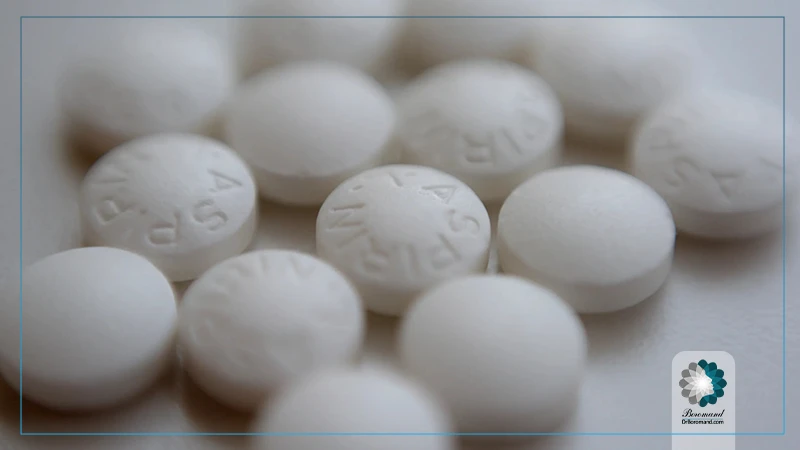
- Aspirin, ibuprofen, or blood thinners
- Herbal supplements like garlic, ginseng, or ginkgo
Always follow your surgeon’s advice regarding medication use before and after surgery.
How to Control Mild Bleeding at Home
If you experience a small episode of bleeding after rhinoplasty, there is usually no need for panic. Mild bleeding can occur in the first few days following surgery, often triggered by physical movement, slight pressure on the face, or even a dry nasal environment. The most important thing is to act calmly and avoid anything that may worsen the bleeding or interfere with healing.
Begin by adjusting your posture:
- Sit upright to lower the pressure in the nasal blood vessels. Avoid lying flat, as this can increase blood flow to the face and worsen bleeding.
- Tilt your head slightly forward—not backward—to allow any blood to drain outward rather than down the throat, which could lead to nausea or coughing.
Next, take steps to control the bleeding itself:
- Apply gentle pressure to the soft part of the nose, just above the nostrils, using your thumb and index finger. Maintain this pressure for 10 to 15 minutes continuously, without releasing.
- Use a cold compress or ice pack wrapped in a towel, and place it on your cheeks or the back of your neck. Cold temperature helps constrict blood vessels and reduce bleeding.
Throughout this time, avoid any activities that could aggravate the bleeding:
- Do not blow your nose, insert tissues, cotton swabs, or any objects into your nostrils. Doing so can disturb the healing tissue and potentially restart bleeding.
- Refrain from bending over or straining, especially when getting up from bed or lifting objects.
If the bleeding stops after these steps and remains light, it is generally considered part of the normal healing process. However, if it continues or worsens, be sure to contact your surgeon for further guidance.
Preventive Tips to Minimize Bleeding Risk
 Keep your head elevated when sleeping (2 pillows or a wedge)
- Avoid hot environments and showers for the first few days
- Do not blow your nose for at least 10–14 days or until cleared by your surgeon
- Use saline spray if advised to keep nasal passages moist
- Avoid smoking and alcohol, which can delay healing
- Follow all post-operative instructions carefully, especially in the first week
Revision Surgery and Increased Bleeding Risk
Patients undergoing revision rhinoplasty may have a higher risk of bleeding due to scar tissue, altered anatomy, and thinner mucosa. Extra care and precise surgical planning are crucial in such cases.
If you’ve had prior nasal surgery, let your surgeon know, as your recovery plan may require additional precautions.
What Dr. Boromand Says About Post-Rhinoplasty Bleeding
According to Dr. Boromand, ENT specialist and rhinoplasty surgeon, minor nasal bleeding is expected in the early stages after surgery, especially within the first 48 hours. However, persistent or sudden heavy bleeding is not normal and requires prompt evaluation.
He emphasizes the importance of head positioning, avoiding strain, and using humidified air to promote healing. Dr. Boromand also advises all patients especially those traveling from abroad for a nose surgery in Tehran, Iran to receive thorough instructions and remote support in the early recovery phase.
Final Thoughts
Mild bleeding after nose surgery is a normal part of recovery and typically resolves within a few days. By understanding what to expect and knowing how to respond to different types of bleeding, you can reduce anxiety and promote faster healing.
If in doubt, always contact your surgeon—timely communication can help distinguish a routine symptom from a rare but treatable complication.
Free Consultation with the Doctor
For more information and to discuss your condition,contact Dr. Boromand on WhatsApp.
Free consultation on WhatsApp


Related Articles
What Not to Do After Rhinoplasty
December 2, 2025Types of Noses: Understanding Shapes, Features, and ...
November 9, 2025How Long Does It Take for a ...
October 27, 2025Greek Nose: Meaning, Aesthetic Ideal, and Modern ...
October 4, 2025Why Is Iran the Best Country to ...
September 24, 2025How Long Should You Stay in Iran ...
September 14, 2025