
Nasal washing (saline irrigation) is a vital yet often overlooked step in recovery after rhinoplasty or septoplasty. It improves comfort, reduces infection risk, and supports faster healing by keeping nasal passages clean.
 Why Nasal Washing Matters
Benefits of Nasal Irrigation
After nose surgery, your nasal cavity heals from tissue manipulation, incisions, and swelling, producing dried blood, crusts, mucus buildup, and blockages. If not cleared, these can cause:
-
Congestion and breathing difficulties
-
Increased risk of infections or bad odors
How It Aids Recovery
Saline irrigation flushes debris, hydrates the nasal lining, and reduces the need to blow your nose, which is restricted post-surgery.
When to Start Nasal Washing
Do not begin nasal washing on your own without your surgeon’s approval. The internal tissues are very delicate during the first week.
- In most cases, saline irrigation is introduced 3 to 7 days after surgery, once the nasal splints (if used) are removed and initial healing has begun.
- For patients with septoplasty or turbinate reduction, your surgeon may recommend beginning sooner or later based on internal swelling.
Always follow the specific timing recommended by your surgeon, as starting too early can disrupt healing and cause bleeding.
Choosing the Right Nasal Wash
Recommended Solutions
Use only sterile, isotonic saline solutions:
-
Pre-made saline sprays: Gentle, ideal for light rinsing and hydration.
-
Nasal rinse kits (e.g., neti pot, squeeze bottle): For deeper cleaning, usually after 7–10 days.
Safety Precautions
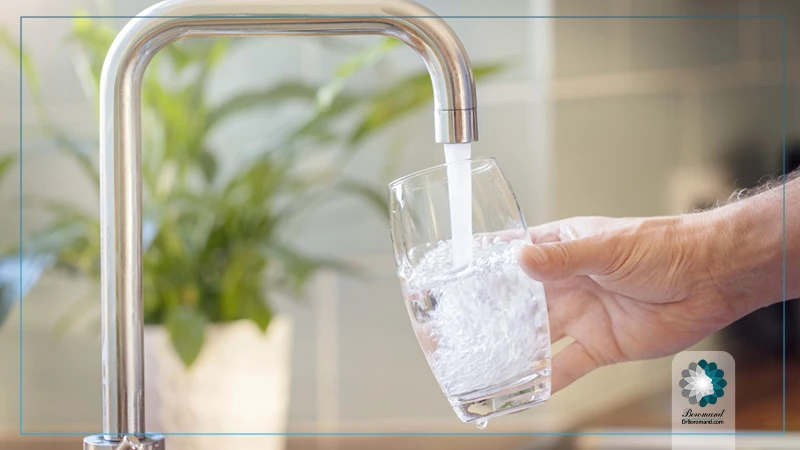
Never use tap water; it may contain bacteria or parasites. For homemade solutions, use boiled and cooled or distilled water.
Performing Nasal Irrigation Safely
Once approved by your surgeon:
-
Wash hands thoroughly.
-
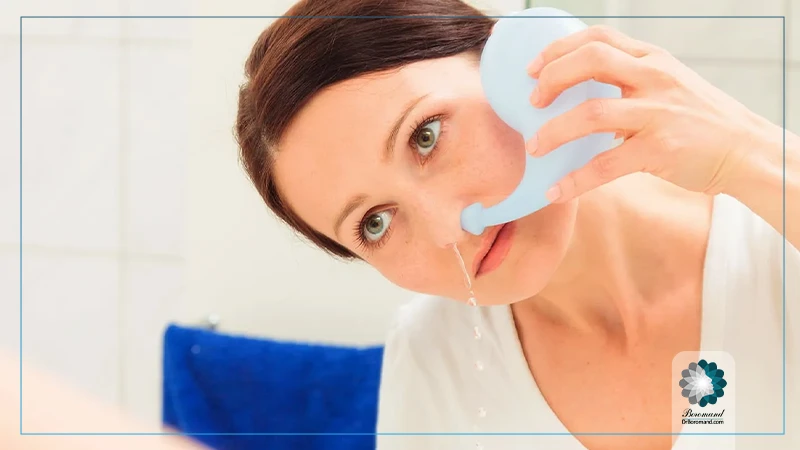
Lean over a sink, head tilted to one side.
-
Gently squeeze or pour saline into one nostril, letting it drain from the other or same side.
-
Repeat on the opposite side.
-
Blow gently or let fluid drain naturally—avoid forceful blowing.
-
Rinse the device with sterile water and air dry.
Do this 1–3 times daily as instructed. Stop if you experience burning, discomfort, or bleeding, and consult your surgeon.
Common Mistakes to Avoid
 Risks of Improper Technique
-
Starting too early: Can disrupt surgical sites and cause bleeding.
-
Using unsterile water: Tap water may introduce harmful bacteria.
-
Forcing saline aggressively: Can irritate healing tissues.
Other Pitfalls
-
Blowing nose too hard: May undo irrigation benefits and cause complications.
-
Skipping rinses: Prolongs congestion and delays recovery.
Consistency and proper technique are key for optimal healing.
Expert Advice from Dr. Boromand
ENT specialist and rhinoplasty surgeon Dr. Boromand emphasizes that gentle, regular nasal rinsing reduces inflammation, improves airflow, and lowers complication risks like infection. He tailors rinsing instructions to each patient’s surgery type and healing pace, especially for those traveling to Iran for rhinoplasty.
Frequently Asked Questions (FAQ)
Can I use a nasal wash if I had a revision rhinoplasty?
Yes, but it must be done with extra care and only under your surgeon’s supervision. Revision surgeries involve more delicate tissue, so the timing and technique may differ slightly from a primary rhinoplasty.
Is nasal washing painful after surgery?
It may feel strange or mildly uncomfortable at first, especially if swelling is still present, but it should not be painful. If you experience sharp pain, stop rinsing and consult your surgeon.
Can nasal washing help with the bad smell after rhinoplasty?
Yes. Rinsing helps remove dried blood and mucus, which are common causes of unpleasant odors during healing.
Should I warm the saline solution before using it?
Room-temperature or slightly lukewarm saline is usually more comfortable than cold solution, but it should never be hot. Always test the temperature before use.
Can nasal washing reduce swelling after surgery?
While it doesn’t eliminate swelling directly, it can help reduce congestion and inflammation by keeping the nasal passages clear and hydrated.
How long should I continue nasal washing after rhinoplasty?
Most patients benefit from nasal washing for 2 to 4 weeks post-surgery, but some may continue longer based on their surgeon’s advice and the type of procedure performed.
Can I use nasal sprays and washes at the same time?
Yes, but timing matters. Use sprays and washes as directed and avoid applying medicated sprays immediately after rinsing unless instructed otherwise.
Will rinsing interfere with internal sutures or grafts?
No, if done gently and at the right time. Saline rinses are safe once your surgeon gives clearance and will not harm internal structures when used properly.
What should I do if water doesn’t drain properly during nasal washing?
This may be due to swelling or partial blockage. Try adjusting your head position slightly and reduce the pressure. If the problem persists, inform your doctor.
Is it normal to sneeze or cough during nasal irrigation?
Yes, especially in the early days. Saline may trigger a reflex to sneeze or cough. Try to sneeze with your mouth open and avoid forcefully exhaling through the nose.
Free Consultation with the Doctor
For more information and to discuss your condition,contact Dr. Boromand on WhatsApp.
Free consultation on WhatsApp


Related Articles
What Not to Do After Rhinoplasty
December 2, 2025Types of Noses: Understanding Shapes, Features, and ...
November 9, 2025How Long Does It Take for a ...
October 27, 2025Greek Nose: Meaning, Aesthetic Ideal, and Modern ...
October 4, 2025Why Is Iran the Best Country to ...
September 24, 2025How Long Should You Stay in Iran ...
September 14, 2025