
In recent years, Iran has become one of the top destinations for cosmetic and plastic surgery. From rhinoplasty to Facelift, the country offers a range of high-quality aesthetic procedures performed by experienced surgeons at a fraction of the cost compared to many Western countries. However, like any medical travel decision, undergoing cosmetic surgery abroad requires thorough research and preparation.
 This all-in-one guide will walk you through everything you need to know before choosing Iran for your cosmetic procedure including the pros, cons, safety measures, travel logistics, legal considerations, and tips for ensuring a smooth and successful experience.
Why Iran Is a Popular Destination for Cosmetic Surgery
A Hub for Rhinoplasty and Beyond
Iran is famously known as the “nose job capital of the world.” Every year, thousands of people both Iranians and international patients undergo rhinoplasty in the country. But Iran’s expertise extends beyond nose surgery to include:
- Eyebrow surgery
- Eyelid surgery (blepharoplasty)
- Facelifts
- Revision rhinoplast
- Otoplastyy
- Septoplasty
- Botox and fillers
- etc
Affordability Without Compromising Quality
One of the biggest attractions is cost. Cosmetic procedures in Iran can be 70–80% cheaper than in the U.S., UK, or other Western countries. Despite lower prices, Iran maintains a high standard of medical training, modern facilities, and advanced surgical techniques.
Skilled Surgeons With International Experience
Many Iranian cosmetic surgeons are internationally trained or certified. Tehran, Mashhad, and Shiraz host some of the region’s most reputable plastic surgery centers.
Among them, Dr. Boromand stands out as a trusted name in the field, with years of experience and a patient-centered approach that attracts clients from around the world. Based in Tehran, Dr. Boromand’s clinic is equipped with modern facilities and adheres to global standards in both surgical technique and patient safety.
Whether you’re considering rhinoplasty, facelift, revision rhinoplasty etc (see all treatments), Dr. Boromand combines advanced medical training with artistic precision to deliver natural-looking, satisfying results. His international patients benefit from personalized care plans, fluent English communication, and comprehensive support before, during, and after surgery.
Key Considerations Before Choosing Iran for Cosmetic Surgery
1. Research Your Surgeon Thoroughly
- Verify board certifications and credentials
- Check before-and-after photos from real patients.
- Read reviews from international patients.
- Ask about the surgeon’s complication rate and success stories.
Tip: Choose a clinic that caters to international patients and offers online consultations.
2. Understand the Full Cost and What’s Included
While prices are lower, it’s crucial to know what the quoted fee includes:
- Surgeon’s fee
- Anesthesia
- Facility/hospital charges
- Pre-op tests
- Medications
- Follow-up visits
Some packages also include airport pickup, accommodation, and a local guide. Be sure to get all costs in writing.
3. Verify Clinic Accreditation
Choose clinics that are:
- Licensed by the Ministry of Health of Iran
- Located in reputable hospitals or standalone accredited centers
- Equipped with modern surgical tools and a clean, sterile environment
Travel and Visa Logistics for Medical Tourists
 Tourist Visa Process
Medical tourists need a valid visa to enter Iran.Required documents may include:
- Passport with at least 6 months validity
- Passport photos
- Completed application form
- Doctor’s invitation letter or medical records (sometimes)
Processing can take 7–10 working days, depending on your nationality.
Choosing the Right City
While cities like Mashhad, Shiraz, and Isfahan also provide reputable cosmetic services, Tehran remains the top destination for those seeking high-quality cosmetic surgery in Iran. As the capital and medical hub of the country, Tehran offers:
- The largest concentration of board-certified plastic surgeons
- Access to state-of-the-art clinics and hospitals
- A wide range of procedures with advanced techniques
- Greater experience in handling international patients
Language and Communication
English and Arabic are commonly spoken in top clinics in Tehran, particularly those with experience in treating international patients. Clinics such as Dr. Boromand’s offer multilingual support to ensure clear communication throughout the entire treatment journey.
If you speak Arabic, you will likely find staff or coordinators who can communicate with you directly. For English-speaking patients, fluent communication is typically not an issue, especially in internationally oriented clinics.
For other languages such as French, Russian, Kurdish, Turkish, etc, professional interpreters are often arranged by the clinic or medical tourism facilitator to assist with consultations, medical instructions, and travel logistics.
Risks and Legal Protections
What Happens if Something Goes Wrong?
It’s essential to understand your legal options and rights as a foreign patient. While Iran has professional regulatory bodies, legal recourse may be limited compared to your home country.
Ask about:
- Revision or refund policies
- Insurance or liability coverage
- Consent forms and waiver documents
Health and Safety Standards
Iranian private hospitals and clinics often meet international hygiene and safety standards. However, always check if the facility is licensed and inspected regularly.
Recovery, Aftercare, and Follow-up
Post-Op Care Is Crucial
Many clinics offer aftercare services, including:
- 24/7 nursing support
- Daily check-ups by the surgeon
- Scar treatment and wound care
- Assistance with compression garments, if needed
If you plan to travel home shortly after surgery, make sure you’re medically cleared to fly.
Recovery Time May Affect Your Trip
Plan your itinerary to accommodate adequate recovery time. For example:
- Rhinoplasty: 7–10 days
- Liposuction or tummy tuck: 2–3 weeks
- Facelift: 2 weeks
Avoid tourist activities that involve physical strain during your recovery.
Cultural Considerations
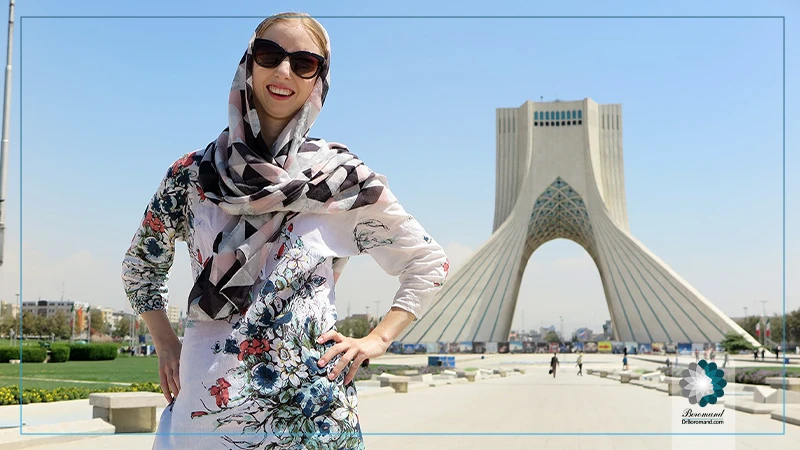 Dress Code and Public Behavior
Iran has specific cultural norms, especially for women:
- Modest dress is required in public
- Avoid public displays of affection
- Alcohol is illegal
Respecting local customs will make your stay more pleasant and avoid unnecessary issues.
Hospitality: A Warm Welcome Awaits You in Iran
Iranian hospitality is world-renowned, and this cultural trait is especially evident in how international patients are treated during their medical journey. From the moment you arrive, you can expect kindness, generosity, and respect from both locals and medical staff.
In addition to high-quality medical care, many clinics go above and beyond to ensure patients feel comfortable, supported, and welcomed at every step. Services often include:
- Airport pickup and drop-off
- Personal medical coordinators who speak your language
- Assistance with local SIM cards, currency exchange, and transport
- Help with accommodation and hotel bookings near the clinic
- Guided tours or cultural experiences (optional, after recovery)
The concept of “mehmani” (hospitality) is deeply rooted in Iranian culture, and international patients often express how the warmth and friendliness they experienced in Iran far exceeded their expectations.
For many patients, this human connection becomes one of the most memorable and reassuring parts of their cosmetic journey turning a medical trip into a culturally rich and emotionally fulfilling experience.
Final Tips: How to Prepare for Cosmetic Surgery in Iran
Preparing properly before traveling for cosmetic surgery can make a significant difference in both your experience and your final results. Here’s how to set yourself up for a smooth and successful journey:
- Have a comprehensive online consultation with your chosen surgeon, preferably via whatsapp. This allows you to discuss your goals, medical history, and expectations in detail before making any decisions. Clinics like Dr. Boromand’s offer thorough virtual evaluations to ensure you’re a good candidate and that you travel fully informed.
- Get a full medical check-up in your home country to confirm you’re healthy enough for surgery and international travel.
- Have a companion or support person join you if possible, especially for the first few days after surgery when mobility may be limited.
- Purchase travel insurance that includes medical coverage and trip cancellation protection in case of unforeseen issues.
- Familiarize yourself with cultural differences, such as dress codes and public etiquette, to avoid surprises and show respect for local customs.
- Confirm all bookings, costs, and documentation in advance including visa, accommodation, transportation, and aftercare arrangements. Your clinic or medical tourism coordinator can assist with these details.
Conclusion
Opting for cosmetic surgery in Iran can be a rewarding experience—both medically and financially—if approached with careful planning and informed decision-making. With expert surgeons, affordable packages, and well-established medical tourism infrastructure, Iran is a compelling choice for anyone seeking aesthetic enhancement abroad.
However, the key to success lies in thorough research, trusted providers, and realistic expectations. By following the advice in this guide, you can enjoy a safe, satisfying, and cost-effective cosmetic journey in Iran.
Free Consultation with the Doctor
For more information and to discuss your condition,contact Dr. Boromand on WhatsApp.
Free consultation on WhatsApp


Related Articles
What Not to Do After Rhinoplasty
December 2, 2025Types of Noses: Understanding Shapes, Features, and ...
November 9, 2025How Long Does It Take for a ...
October 27, 2025Greek Nose: Meaning, Aesthetic Ideal, and Modern ...
October 4, 2025Why Is Iran the Best Country to ...
September 24, 2025How Long Should You Stay in Iran ...
September 14, 2025