
A nasal injury, whether from a sports mishap, an accident, or a fall, can leave you wondering whether you’re dealing with a bruised nose or a broken nose. While both conditions can cause pain, swelling, and discomfort, understanding the difference is crucial for proper treatment and recovery. A bruised nose is typically less severe, involving soft tissue damage, while a broken nose (nasal fracture) affects the bone or cartilage, potentially requiring medical intervention. This comprehensive guide will walk you through the key differences, symptoms, diagnosis, treatment options, and recovery processes for both conditions, ensuring you have all the information you need in one place.
In this article, we’ll explore the causes, signs, and treatments for bruised and broken noses, along with expert advice on when to seek medical attention, how to manage symptoms at home, and tips to prevent future nasal injuries. Whether you’re a concerned individual, an athlete, or a parent, this guide will empower you with clear, evidence-based insights to make informed decisions about nasal injuries. Let’s dive in to clarify the distinctions and help you navigate your next steps with confidence.
 What Is a Bruised Nose?
A bruised nose occurs when the soft tissues, blood vessels, or skin around the nose are injured, typically due to blunt trauma. Unlike a broken nose, a bruise (or contusion) does not involve damage to the nasal bones or cartilage. Bruising happens when small blood vessels under the skin rupture, causing discoloration, swelling, and tenderness.
Causes of a Bruised Nose
Bruised noses are often caused by minor impacts, such as:
- Accidental bumps: Hitting your nose on a door, steering wheel, or another object.
- Sports injuries: Contact sports like soccer, basketball, or boxing.
- Falls: Tripping or falling face-first.
- Minor collisions: Bumping into someone or something unexpectedly.
Symptoms of a Bruised Nose
Common signs of a bruised nose include:
- Pain and tenderness: The nose may feel sore when touched or pressed.
- Swelling: Mild to moderate swelling around the nose or under the eyes.
- Discoloration: Black, blue, or purple marks that may spread to nearby areas.
- No structural changes: The shape of the nose remains unchanged, with no visible deformity.
Bruised noses typically resolve on their own within 7–14 days with proper care. However, persistent or severe symptoms may warrant a closer look to rule out a fracture.
What Is a Broken Nose?
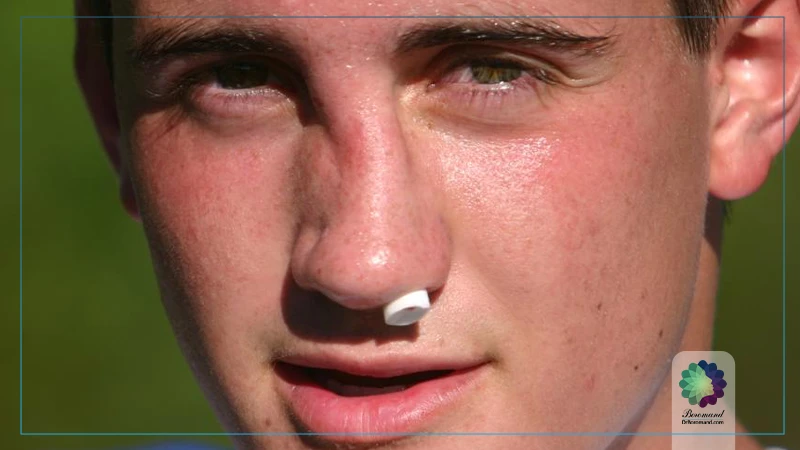 A broken nose, or nasal fracture, occurs when the bones or cartilage in the nose are cracked or shattered due to trauma. This injury is more severe than a bruise and may affect the nose’s structure, appearance, or function. Nasal fractures are among the most common facial injuries, often requiring medical evaluation to prevent complications like breathing difficulties or cosmetic deformities.
Causes of a Broken Nose
Broken noses are typically caused by stronger impacts than those causing bruises, including:
- High-impact trauma: Car accidents, falls from a height, or physical assaults.
- Sports injuries: Hard hits in contact sports like football, hockey, or martial arts.
- Fights or altercations: Direct blows to the face.
- Workplace accidents: Injuries from heavy machinery or equipment.
Symptoms of a Broken Nose
Signs of a nasal fracture are often more pronounced than those of a bruise and may include:
- Severe pain: Intense discomfort, especially when touching or moving the nose.
- Significant swelling: Swelling that may extend to the cheeks or eyes.
- Nosebleeds: Bleeding from one or both nostrils, sometimes persistent.
- Deformity: A crooked, misshapen, or flattened nose.
- Difficulty breathing: Blocked nasal passages due to swelling or structural damage.
- Bruising around the eyes: Often called “raccoon eyes,” indicating a more serious injury.
- Crepitus: A crunching or grating sound when touching the nose, suggesting broken bones.
Unlike a bruise, a broken nose may lead to long-term issues if not treated properly, such as chronic breathing problems or a permanently altered appearance.
Key Differences Between a Bruised Nose and a Broken Nose
Understanding the distinctions between a bruised nose and a broken nose is essential for determining the right course of action. Below is a comparison of the two conditions based on key factors:
| Aspect | Bruised Nose | Broken Nose |
| Injury Type | Soft tissue (skin, blood vessels) | Bone or cartilage |
| Pain Level | Mild to moderate | Moderate to severe |
| Swelling | Mild to moderate | Significant, may affect cheeks or eyes |
| Deformity | None | Visible crookedness or shape change |
| Breathing Issues | Rare | Common due to structural damage |
| Nosebleeds | Mild or none | Frequent and potentially heavy |
| Healing Time | 7–14 days | 3–6 weeks, may require medical intervention |
When to Suspect a Broken Nose
If you experience severe pain, noticeable deformity, persistent nosebleeds, or difficulty breathing through your nose after an injury, it’s likely more than a bruise. Seek medical attention promptly to confirm a fracture and prevent complications.
Diagnosis: How to Confirm the Injury
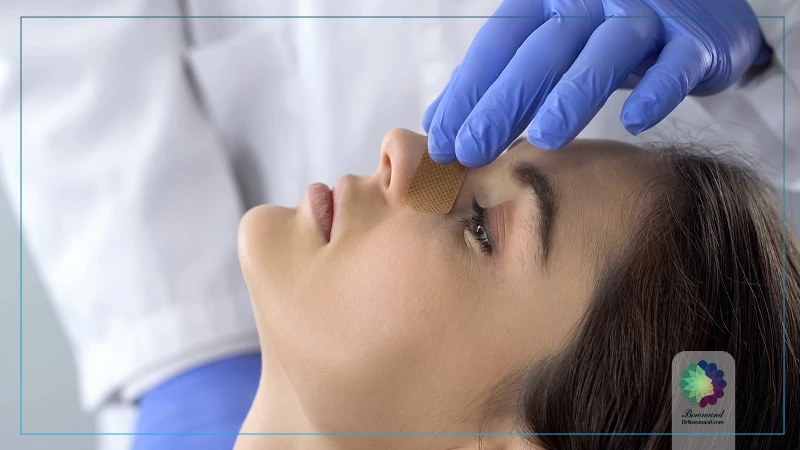 Accurate diagnosis is critical to distinguish between a bruised nose and a broken nose, as the treatment approaches differ significantly.
Diagnosing a Bruised Nose
A bruised nose can often be diagnosed at home based on symptoms. However, a healthcare provider may:
- Examine the nose: Check for tenderness, swelling, and discoloration without structural changes.
- Ask about the injury: Understand the cause and severity of the trauma.
- Rule out a fracture: If symptoms are mild and no deformity is present, imaging may not be needed.
Diagnosing a Broken Nose
A broken nose typically requires professional evaluation, which may include:
- Physical examination: A doctor will assess the nose’s shape, alignment, and function, checking for crepitus or instability.
- Imaging tests: X-rays or CT scans may be used to confirm a fracture, especially if the injury is severe or involves other facial bones.
- Nasal endoscopy: In some cases, a small camera is used to inspect the nasal passages for internal damage.
When to See a Doctor: If you’re unsure whether your injury is a bruise or a fracture, consult a healthcare provider, especially if you experience persistent pain, deformity, or breathing difficulties. For expert care, visit our nasal injury treatment page or contact a specialist.
Treatment Options for a Bruised Nose
Bruised noses are generally manageable at home with conservative care. The goal is to reduce swelling, alleviate pain, and promote healing.
Home Remedies for a Bruised Nose
- Apply ice: Use a cold pack wrapped in a cloth for 10–15 minutes every few hours during the first 48 hours to reduce swelling. Avoid direct ice contact to prevent skin damage.
- Elevate your head: Sleep with your head elevated to minimize swelling, especially at night.
- Take pain relievers: Over-the-counter medications like ibuprofen or acetaminophen can help with pain and inflammation. Follow dosage instructions carefully.
- Avoid pressure: Refrain from touching or pressing the nose to prevent worsening the bruise.
When to Seek Medical Help
Most bruised noses heal without complications. However, see a doctor if:
- Symptoms worsen after a few days.
- You develop a fever, which may indicate an infection.
- Swelling or pain persists beyond two weeks.
Treatment Options for a Broken Nose
 Broken noses often require medical intervention, depending on the severity of the fracture. Treatment aims to restore the nose’s shape, function, and appearance while preventing complications.
Non-Surgical Treatments
For minor fractures with minimal displacement:
- Ice and elevation: Similar to bruise treatment, these reduce swelling in the first 48 hours.
- Pain management: Prescription or over-the-counter pain relievers may be recommended.
- Nasal decongestants: Sprays or medications can help with breathing difficulties caused by swelling.
- Manual realignment: If the nose is slightly misaligned, a doctor may perform a closed reduction (repositioning the bones without surgery) within 7–14 days of the injury.
Surgical Treatments
Severe fractures or those causing significant deformity or breathing issues may require:
- Closed reduction: Performed under local or general anesthesia, this procedure repositions the nasal bones within 1–2 weeks of the injury.
- Rhinoplasty: For complex fractures or cosmetic concerns, surgical reconstruction (rhinoplasty) may be needed weeks or months later. Learn more about rhinoplasty options.
- Septoplasty: If the nasal septum (the cartilage dividing the nostrils) is deviated, Septoplasty surgery can correct breathing issues.
Recovery Timeline
- Bruised nose: 7–14 days for full recovery.
- Broken nose: 3–6 weeks for initial healing; surgical cases may take longer. Follow-up appointments are crucial to monitor progress.
Potential Complications of Nasal Injuries
While bruised noses rarely cause complications, untreated broken noses can lead to:
- Chronic breathing problems: Due to a deviated septum or narrowed airways.
- Infections: Such as sinus infections or, rarely, septal abscesses.
- Cosmetic deformities: A permanently crooked or flattened nose.
- Nasal septal hematoma: A collection of blood in the septum that requires urgent drainage to prevent cartilage damage.
To avoid these risks, seek prompt evaluation for suspected fractures. For professional assessment, visit our nasal injury specialists.
Prevention Tips for Nasal Injuries
Preventing nasal injuries involves minimizing risks during activities that could lead to trauma:
- Wear protective gear: Use helmets or face guards during contact sports like hockey, football, or boxing.
- Practice safety: Secure your environment to avoid falls, such as removing tripping hazards or using proper lighting.
- Avoid risky behaviors: Be cautious during physical activities or altercations that could result in facial trauma.
- Strengthen awareness: In sports, training in proper techniques can reduce the risk of injury.
Related Subtopics: Enhancing Your Understanding
Myths About Nasal Injuries
- Myth: All nose injuries require surgery. Fact: Many bruised noses and minor fractures heal without surgical intervention.
- Myth: A broken nose always causes immediate deformity. Fact: Some fractures are subtle and only detected through imaging.
Alternative Treatments
For those with broken noses seeking cosmetic or functional improvements:
- Non-surgical rhinoplasty: Dermal fillers can address minor deformities but are not suitable for structural repairs. Explore non-surgical rhinoplasty options.
- Breathing aids: Nasal strips or dilators can temporarily improve airflow during recovery.
Long-Term Care
After recovery, maintain nasal health by:
- Avoiding irritants like smoke or allergens.
- Keeping the nasal passages moist with saline sprays.
- Scheduling regular check-ups if you have a history of nasal injuries.
Conclusion: Take Control of Your Nasal Health
Whether you’re dealing with a bruised nose or a broken nose, understanding the differences is key to effective treatment and recovery. A bruised nose typically heals with simple home care, while a broken nose may require medical or surgical intervention to restore function and appearance. By recognizing the symptoms, seeking timely care, and following proper aftercare, you can ensure a smooth recovery and minimize complications. If you’re unsure about your injury or need expert guidance, consult a healthcare provider or visit our cosmetic-medical services for personalized care.
FAQ: Bruised Nose vs. Broken Nose – Your Questions Answered
Below, we address common questions about bruised and broken noses that go beyond the basics covered in our Ultimate Guide to Bruised Nose vs. Broken Nose. This FAQ provides clear, concise answers to help you better understand nasal injuries, their implications, and next steps for care.
Can a Bruised Nose Turn Into a Broken Nose?
No, a bruised nose cannot “turn into” a broken nose. A bruise involves soft tissue damage (skin, blood vessels), while a broken nose involves fractured bones or cartilage. However, an initial bruise may mask a fracture, especially if swelling obscures symptoms like deformity. If pain or swelling worsens after a few days, consult a doctor to rule out an undiagnosed fracture. Visit our nasal injury assessment page for professional evaluation.
How Can I Tell If My Child Has a Bruised or Broken Nose?
Children’s nasal injuries can be trickier to assess due to their smaller anatomy and difficulty expressing symptoms. Look for:
- Bruised nose: Mild swelling, redness, or discoloration without changes in nose shape. Your child may complain of soreness but can breathe normally.
- Broken nose: Severe swelling, visible crookedness, nosebleeds, or difficulty breathing. Children may also show bruising around the eyes or cry excessively due to pain. Since children’s nasal cartilage is softer, fractures may be less obvious. Seek pediatric medical attention if symptoms persist beyond 2–3 days or if breathing is impaired. Learn more about pediatric facial injury care.
Can I Exercise After a Nasal Injury?
For a bruised nose, light exercise (e.g., walking) is usually safe after 48–72 hours if pain and swelling are minimal. Avoid contact sports or activities that risk further impact for at least 1–2 weeks. For a broken nose, refrain from all physical activity, especially sports, for 4–6 weeks or until cleared by a doctor, as jostling can worsen the injury or delay healing. Always follow your healthcare provider’s advice.
Are There Home Tests to Differentiate a Bruised Nose from a Broken Nose?
While no home test can definitively diagnose a fracture, you can assess:
- Shape: Gently inspect the nose in a mirror. A crooked or flattened appearance suggests a fracture.
- Movement: Lightly press the nose (if tolerable). A crunching sound or unstable feeling indicates a possible break.
- Breathing: Difficulty breathing through one or both nostrils may point to a fracture or septal deviation. These are not substitutes for professional diagnosis. If you suspect a fracture, contact a specialist or visit our nasal injury services.
Can a Nasal Injury Affect My Sense of Smell?
A bruised nose rarely affects smell, as the injury is superficial. However, a broken nose can impair your sense of smell if:
- Swelling or blood clots block nasal passages.
- The injury damages nerves responsible for smell (rare but possible in severe cases).
- A deviated septum alters airflow. Most smell issues resolve as swelling subsides, but persistent changes (beyond 2–3 weeks) should be evaluated by an ENT specialist. Explore our ENT consultation services.
What Are the Costs Associated with Treating a Broken Nose?
Treatment costs vary based on the injury’s severity and location:
- Non-surgical treatments (e.g., closed reduction): Typically $500–$2,000, depending on the provider and anesthesia.
- Surgical treatments (e.g., rhinoplasty or septoplasty): $5,000–$15,000, including surgeon fees, facility costs, and follow-ups.
- Diagnostic tests (e.g., X-rays, CT scans): $100–$1,000, depending on the imaging type. Bruised noses usually require no professional treatment, so costs are minimal (e.g., ice packs, over-the-counter pain relievers). Check with your insurance provider for coverage details, or visit our treatment cost guide for more information.
Can I Wear Glasses After a Nasal Injury?
For a bruised nose, glasses are usually fine if they don’t cause discomfort. Use lightweight frames and avoid pressure on the nose. For a broken nose, avoid wearing glasses directly on the nose for 4–6 weeks to prevent disrupting healing bones or cartilage. Consider:
- Tape to secure glasses off the nose bridge.
- Contact lenses as a temporary alternative. Consult your doctor for personalized advice, especially post-surgery.
How Can I Reduce Scarring After a Nasal Injury?
Bruised noses rarely scar, as the injury is under the skin. For broken noses, especially if surgery is involved:
- Follow wound care instructions: Keep surgical incisions clean and dry.
- Use sunscreen: Protect healing skin from UV exposure to prevent discoloration.
- Apply scar creams: Silicone-based gels may minimize scarring after incisions heal (consult your doctor first). For cosmetic concerns, explore our scar reduction treatments.
Can Nasal Injuries Cause Sinus Problems?
A bruised nose typically doesn’t affect sinuses unless swelling temporarily blocks drainage. A broken nose can lead to sinus issues if:
- A deviated septum obstructs sinus passages.
- Blood clots or swelling cause sinus pressure.
- Untreated fractures lead to chronic inflammation. Symptoms like facial pressure, headaches, or thick nasal discharge may indicate sinus involvement. See an ENT specialist if these persist. Learn about sinus treatment options.
How Soon After a Nasal Injury Should I Get Cosmetic Surgery?
For a bruised nose, cosmetic concerns are minimal, and surgery is rarely needed. For a broken nose, cosmetic surgery (e.g., rhinoplasty) is typically delayed:
- Minor fractures: Wait 3–6 months for full healing to assess the need for surgery.
Severe fractures: Surgery may be performed sooner (1–2 weeks) for significant deformities, but final cosmetic adjustments often occur later. Consult a board-certified plastic surgeon to discuss timing and options. Visit our rhinoplasty services for details.
Free Consultation with the Doctor
For more information and to discuss your condition,contact Dr. Boromand on WhatsApp.
Free consultation on WhatsApp


Related Articles
What Not to Do After Rhinoplasty
December 2, 2025Types of Noses: Understanding Shapes, Features, and ...
November 9, 2025How Long Does It Take for a ...
October 27, 2025Greek Nose: Meaning, Aesthetic Ideal, and Modern ...
October 4, 2025Why Is Iran the Best Country to ...
September 24, 2025How Long Should You Stay in Iran ...
September 14, 2025