
Undergoing rhinoplasty is a deeply personal decision that can transform not only your appearance but also your self-confidence. Whether you’re pursuing surgery for cosmetic or medical reasons, it’s entirely natural to feel anxious in the lead-up to the procedure. Uncertainty about the outcome, fear of pain, and general pre-operative nerves are common experiences among patients.
This comprehensive guide will help you understand what to expect before your rhinoplasty and provide proven strategies to reduce anxiety and prepare mentally and physically for a successful experience. With the right preparation and mindset, you can go into your surgery feeling calm, confident, and informed.
 Understanding Pre-Rhinoplasty Stress
Why Stress Happens Before Surgery
Stress before rhinoplasty often stems from a combination of emotional, physical, and psychological factors. The desire to improve one’s appearance is deeply tied to self-image, and entrusting a surgeon with that transformation can naturally bring worry. Common causes of pre-op anxiety include:
- Fear of the unknown
- Concerns about the results not meeting expectations
- Worries about complications or pain
- Social or cultural pressure
- Financial stress
Understanding that these feelings are valid and shared by many patients is the first step in managing them.
How Stress Affects Your Body and Recovery
Chronic or heightened stress can negatively impact your body’s ability to heal and recover. Elevated cortisol levels may interfere with immune function, increase inflammation, and delay wound healing. Additionally, anxiety can lead to sleep disturbances, poor nutrition, and weakened coping mechanisms—all of which are crucial during the pre-op phase.
What to Expect Before Rhinoplasty
Consultation and Evaluation
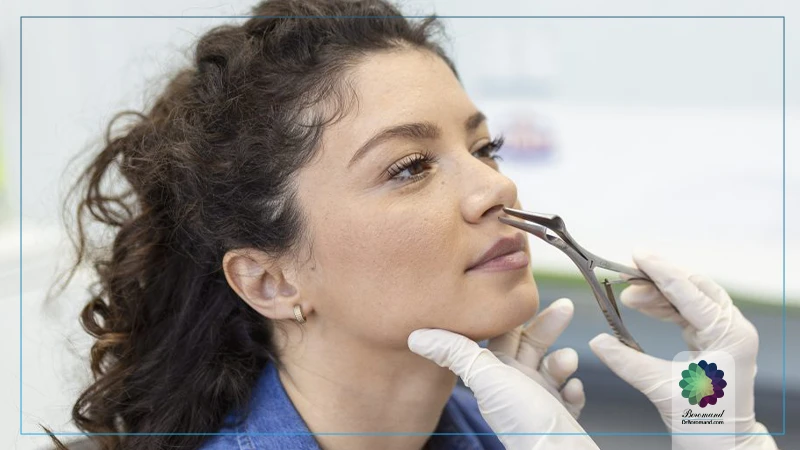 Your initial consultation sets the stage for your surgical journey. During this appointment, you will discuss your aesthetic goals, medical history, and undergo a physical examination. Your surgeon may use digital imaging to simulate potential results, helping align expectations.
This is a good time to ask detailed questions about:
- Surgical technique
- Recovery timeline
- Risks and complications
- Anesthesia type
- Post-op care and results
Feeling heard and supported by your surgeon and care team goes a long way toward reducing stress.
Pre-Operative Instructions
Leading up to your surgery, you will receive a set of instructions to optimize your body for the procedure. These may include:
- Avoiding certain medications (e.g., blood thinners)
- Stopping smoking
- Adjusting supplements
- Fasting instructions before anesthesia
Following these instructions not only ensures safety but also gives you a sense of control, which can significantly ease anxiety.
Proven Techniques to Stay Calm Before Surgery
Preparing for rhinoplasty involves more than just physical readiness—emotional resilience is equally vital. To help manage the mental and emotional stress that can arise before your procedure, it’s important to implement calming strategies that foster a sense of control and peace of mind. Techniques like mindfulness meditation, positive visualization, and organized planning not only help alleviate anxiety but also contribute to a smoother surgical experience. By proactively addressing stress, you’ll enter the operating room with greater confidence and be better equipped for a positive recovery journey.
Practice Mindfulness and Meditation
Mindfulness techniques like deep breathing, guided meditation, and progressive muscle relaxation can significantly lower anxiety. Apps like Calm, Headspace, or Insight Timer offer structured sessions that can be practiced daily leading up to surgery.
Establish a Support System
Lean on friends, family, or a mental health professional for support. Expressing your fears out loud often makes them feel more manageable. You might also consider joining online forums or support groups for rhinoplasty patients to gain perspective and reassurance.
Focus on the Positive Outcome
Visualize the benefits of your procedure—improved self-esteem, better breathing (in functional cases), or enhanced facial balance. Keeping a journal of your motivations and hopes can help anchor your mindset during moments of doubt.
Stay Informed, Not Overwhelmed
While it’s good to be informed, obsessively reading about complications or bad experiences can fuel anxiety. Stick to reputable sources, like your surgeon’s resources or professional medical sites. Ask your surgeon for recommended reading to stay focused on helpful, factual content.
Plan Ahead
Take care of logistical preparations in advance:
- Arrange for transportation to and from the clinic
- Fill post-operative prescriptions
- Prepare a comfortable recovery space at home
Knowing these elements are taken care of helps reduce last-minute panic.
Get Regular Exercise and Sleep
 Light to moderate exercise (with your doctor’s approval) can help regulate stress hormones, while quality sleep improves mood and immune function. Aim for at least 7-9 hours of sleep per night in the week leading up to your surgery.
When to Seek Professional Help
If your anxiety becomes overwhelming or interferes with daily function, consider seeking help from a licensed therapist or counselor. Cognitive-behavioral therapy (CBT) and pre-operative counseling are proven to reduce surgical anxiety.
Additionally, if you’re unsure about your decision, it’s okay to pause and reassess with your surgeon. A good provider will support your choice to delay surgery until you feel ready.
Final Thoughts
Experiencing stress before rhinoplasty is normal, but it doesn’t have to control your experience. By understanding what to expect, staying connected with your healthcare team, and practicing effective stress-reduction techniques, you can approach your procedure with calm and clarity.
Remember, rhinoplasty is not just a physical transformation but also an emotional journey. Investing time in your mental well-being will not only improve your surgical experience but also enhance your overall satisfaction with the results.
Frequently Asked Questions (FAQs)
Is it normal to feel nervous before rhinoplasty?
Yes, it’s completely normal to experience anxiety or nervousness before surgery. Many patients feel this way, and it often stems from fear of the unknown, concerns about the outcome, or general pre-operative stress.
How can I reduce anxiety before my rhinoplasty?
Techniques such as mindfulness meditation, talking to a therapist, staying informed, and having a strong support system can significantly reduce pre-operative stress.
Should I talk to my surgeon about my anxiety?
Absolutely. Your surgeon can offer reassurance, provide more information, and may even refer you to a counselor experienced in surgical anxiety if needed.
What if I feel too anxious to go through with the surgery?
If your anxiety feels overwhelming, it’s okay to postpone the procedure. Discuss your concerns with your surgeon, who can guide you through your options.
Can stress affect my healing process after rhinoplasty?
Yes, chronic stress can impact immune function and slow healing. Managing stress pre- and post-operatively is important for optimal recovery.
How early should I start preparing emotionally for the procedure?
It’s beneficial to start preparing as soon as you schedule your surgery. This gives you time to build coping strategies, gather information, and feel confident in your decision.
Are there any medications to help with pre-surgery anxiety?
In some cases, your surgeon or primary care provider may prescribe anti-anxiety medication. Always discuss risks and benefits before using any medication.
What should I avoid doing before surgery to minimize stress?
Avoid last-minute research on worst-case scenarios, excessive caffeine, and conversations with unsupportive individuals. Focus on positive reinforcement and professional guidance.
How can I make the day before surgery less stressful?
Prepare everything in advance, engage in relaxing activities, avoid stress-inducing triggers, and follow your surgeon’s instructions closely.
Is post-operative anxiety common?
Yes, some patients experience emotional ups and downs after surgery. This is usually temporary and can be managed with proper support and self-care strategies.
Free Consultation with the Doctor
For more information and to discuss your condition,contact Dr. Boromand on WhatsApp.
Free consultation on WhatsApp


Related Articles
What Not to Do After Rhinoplasty
December 2, 2025Types of Noses: Understanding Shapes, Features, and ...
November 9, 2025How Long Does It Take for a ...
October 27, 2025Greek Nose: Meaning, Aesthetic Ideal, and Modern ...
October 4, 2025Why Is Iran the Best Country to ...
September 24, 2025How Long Should You Stay in Iran ...
September 14, 2025