
Swelling after a nose job (rhinoplasty) is a common and often frustrating part of the healing process. While completely normal, it can leave many patients feeling anxious about their appearance or unsure whether recovery is on track. Fortunately, there are proven ways to minimize swelling and speed up the healing process.
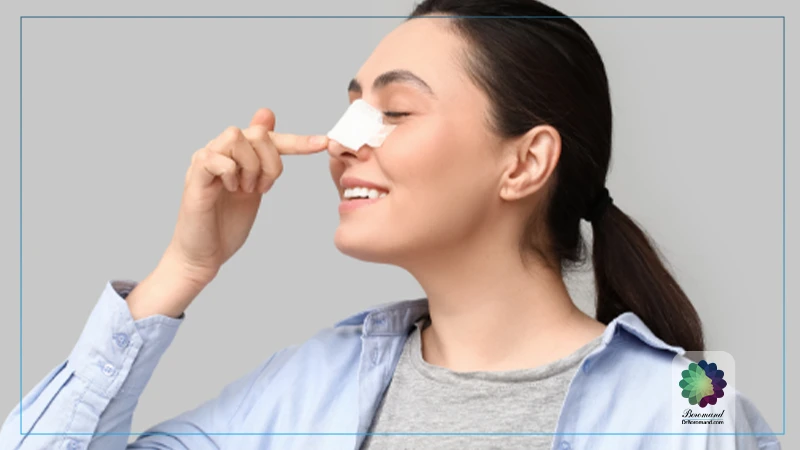 In this article, we’ll explore the main causes of nasal swelling after surgery, explain how long it typically lasts, and share the most effective methods both medical and natural to reduce it. Whether you’re planning a rhinoplasty or recovering from one, this guide will help you achieve the best possible results with greater comfort and peace of mind.
Why Does the Nose Swell After Surgery?
Swelling is a natural reaction of the body to trauma—including surgical procedures. During rhinoplasty, tissue is cut, cartilage may be reshaped, and bones might even be repositioned. In response, your body increases blood flow and fluid accumulation in the area to initiate healing.
This inflammation usually peaks in the first few days post-op, then gradually subsides. However, in some patients, swelling may linger for several months—especially around the nasal tip.
Common Factors That Influence Swelling
- Type of Rhinoplasty: Cosmetic vs. functional surgeries (e.g., septoplasty) may result in different levels of swelling. More invasive procedures typically cause more trauma and swelling.
- Surgical Complexity and Duration: Longer or more complex surgeries, especially those involving bone restructuring, tend to result in greater post-op swelling.
- Patient Physiology: Age, skin thickness, genetics, and general health all play a role in how your body handles inflammation.
- Lifestyle Factors: Smoking, alcohol use, and not following post-op care instructions can increase swelling significantly.
- Physical Activity: High activity levels or heavy lifting too soon after surgery can worsen inflammation and delay healing.
Surgical Approach: Open vs. Closed Rhinoplasty: The method your surgeon uses whether open or closed rhinoplasty can impact the degree and duration of swelling. Open techniques, which involve a small incision between the nostrils, typically cause more initial swelling but allow for greater precision. Closed rhinoplasty, with all incisions inside the nose, may result in less visible swelling and faster recovery in some cases.
How Long Does Swelling Last After Rhinoplasty?
Swelling usually peaks within the first 3 to 7 days post-surgery. Most of the visible swelling resolves within 2 to 4 weeks, but residual puffiness—especially in the tip of the nose—can persist for up to 6 months. In some cases, subtle changes may continue for up to a year as the nose gradually refines into its final shape.
Best Ways to Reduce Nose Swelling After Rhinoplasty
While some swelling is inevitable, there are several evidence-based methods to reduce it more quickly and comfortably. These include home remedies, proper sleeping posture, dietary strategies, and, in some cases, medical interventions.
Cold and Warm Compresses
Cold compresses are one of the most effective ways to reduce swelling during the early recovery period.
- Cold Compress: Apply gently around (not directly on) the nose during the first 48 hours after surgery. This helps constrict blood vessels and reduce inflammation.
- Warm Compress: After 48 hours, warm compresses may be used to improve circulation and support the healing process. Only use if recommended by your surgeon.
Proper Sleeping Position
Keeping your head elevated above your heart reduces fluid buildup and accelerates drainage.
- Sleep Upright: Use two or more pillows to keep your head elevated while sleeping.
- Avoid Sleeping on Your Side or Stomach: These positions can put pressure on the nose and worsen swelling or cause shifting.
Anti-Inflammatory Diet
Certain foods can naturally reduce inflammation, while others can make it worse.
- What to Eat: Foods rich in Vitamin C (citrus fruits, strawberries, kiwi), leafy greens, turmeric, and omega-3 fatty acids (like salmon).
- What to Avoid: Salty and fatty foods promote water retention, which can exacerbate swelling.
Medications and Medical Treatments
 Always follow your surgeon’s instructions when it comes to medications.
- Anti-Inflammatory Medication: Ibuprofen or acetaminophen may be prescribed to reduce swelling and pain.
- Corticosteroid Injections: In select cases, your doctor may administer a low-dose steroid injection to reduce persistent swelling, especially around the nasal tip.
- Topical Ointments: If recommended, anti-inflammatory creams may help soothe localized swelling.
Gentle Facial Massage
Light facial massage, when approved by your doctor, can support lymphatic drainage and help reduce puffiness.
- Manual Massage: Gentle pressure applied with clean hands can encourage fluid drainage.
- Professional Therapy: Facial physiotherapy by a specialist may also be recommended for targeted reduction of post-op swelling.
Practical Tips for Faster Recovery
In addition to the methods above, these simple practices can further enhance your healing and minimize swelling:
Follow Your Surgeon’s Instructions
This cannot be overstated. Your surgeon will provide specific post-op care guidelines based on the type of rhinoplasty you’ve had.
- Take medications exactly as prescribed
- Attend follow-up appointments
- Notify your doctor of any unusual symptoms or concerns
Avoid Physical Strain and Pressure
Excess movement or contact with the nose can worsen swelling or even affect the surgical outcome.
- Avoid strenuous exercise or lifting for at least 2–3 weeks
- Sleep on your back using supportive pillows
- Try not to sneeze or cough forcefully; keep your mouth open to reduce nasal pressure
Stay Hydrated and Eat Healing Foods
Water flushes excess fluids and promotes detoxification. Nutrient-rich foods fuel tissue repair and immunity.
- Drink at least 6–8 glasses of water daily
- Focus on whole, unprocessed foods with high antioxidant content
Avoid Smoking and Alcohol
 Both interfere with healing and increase inflammation.
- Nicotine reduces oxygen delivery to tissues and raises infection risk
- Alcohol can increase blood flow and fluid retention, making swelling worse
Nose Job in Iran
Nose job in Iran is not only popular for its affordability, but also for the exceptional skill of Iranian surgeons in delivering refined, balanced results with careful attention to post-operative care. One of the key strengths of rhinoplasty in Iran is the surgeon’s ability to manage swelling and ensure a smoother recovery process. With experience handling a wide range of nasal structures, Iranian specialists design personalized surgical plans that minimize trauma and reduce long-term inflammation helping patients heal faster and more comfortably while achieving natural-looking outcomes.
How Much Swelling Should You Expect After Surgery by Dr. Boromand?
Thanks to his advanced techniques and over 6,000 successful rhinoplasty procedures, Dr. Boromand is known for achieving excellent results with minimal post-operative swelling. His precise, tissue-conserving methods reduce trauma to the nasal structures, which significantly lowers inflammation and speeds up the healing process.
While some initial swelling is always expected after any nose surgery, patients of Dr. Boromand typically experience faster resolution and less puffiness, especially compared to more aggressive or outdated surgical methods. His deep understanding of nasal anatomy and commitment to customized care make him a trusted choice for those seeking both beauty and comfort during recovery.
Frequently Asked Questions About Swelling After Rhinoplasty
Is it normal for one side of the nose to be more swollen?
Yes, asymmetrical swelling is very common during the healing phase. It usually evens out over time as the inflammation subsides. If it persists for several months, consult your surgeon for evaluation.
Which surgery causes more swelling: primary rhinoplasty, revision rhinoplasty, or septoplasty?
Revision rhinoplasty generally causes the most swelling because it involves working on tissue that has already been altered, often with scar tissue and reduced blood supply. Primary rhinoplasty typically results in moderate swelling, depending on the complexity of the case. Septoplasty, which corrects a deviated septum for breathing purposes, usually involves less external swelling since it focuses more on internal structures. However, each patient’s response can vary based on surgical technique and individual healing factors.
What foods can help reduce swelling after rhinoplasty?
Foods rich in anti-inflammatory nutrients are ideal during recovery. Focus on vitamin C–rich fruits like oranges, strawberries, and kiwis, leafy greens (spinach, kale), turmeric, pineapple (which contains bromelain), and omega-3 sources like salmon or chia seeds. Avoid salty, fried, or overly processed foods, as they can lead to fluid retention and increased swelling.
What drinks are good for reducing swelling after a nose job?
Staying hydrated is key. Drink plenty of water throughout the day to help flush out excess fluids. You can also drink herbal teas with anti-inflammatory properties, such as ginger, chamomile, or green tea. Avoid alcohol and caffeinated beverages early in recovery, as they can worsen inflammation and slow down healing.
Free Consultation with the Doctor
For more information and to discuss your condition,contact Dr. Boromand on WhatsApp.
Free consultation on WhatsApp


Related Articles
What Not to Do After Rhinoplasty
December 2, 2025Types of Noses: Understanding Shapes, Features, and ...
November 9, 2025How Long Does It Take for a ...
October 27, 2025Greek Nose: Meaning, Aesthetic Ideal, and Modern ...
October 4, 2025Why Is Iran the Best Country to ...
September 24, 2025How Long Should You Stay in Iran ...
September 14, 2025