
For many women, the decision to undergo rhinoplasty may coincide with plans for pregnancy, raising questions about safety and timing. Is it safe to have a nose job before or during pregnancy? Could anesthesia, medications, or hormonal changes affect the mother or fetus? How long should you wait to conceive after surgery, and do pregnancy hormones impact surgical results? This article explores these concerns in detail to help you make informed choices and minimize risks.
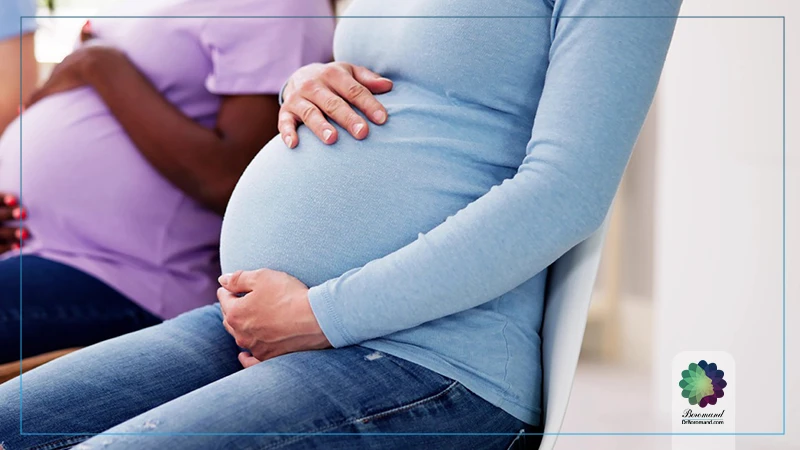
Understanding Anesthesia and Medications in Pregnancy
Risks of General Anesthesia
Rhinoplasty typically requires general anesthesia, which numbs the body and eliminates pain during surgery. However, during pregnancy—particularly in the first trimester—anesthesia can pose risks to the fetus, potentially affecting neural development or growth. For this reason, medical professionals strongly advise postponing non-essential procedures like rhinoplasty until after childbirth.
In rare cases where surgery is unavoidable, specialists use minimal anesthesia doses and closely monitor both mother and fetus to ensure safety, employing advanced techniques to reduce potential complications.
Medication Concerns
After rhinoplasty, doctors often prescribe pain relievers and anti-inflammatory drugs to manage discomfort and swelling. However, medications like non-steroidal anti-inflammatory drugs (NSAIDs), such as ibuprofen, can be harmful during pregnancy, increasing risks like miscarriage or birth defects.
Safer alternatives, such as acetaminophen, are typically recommended for pain relief. If anti-inflammatory medications are necessary, they must be carefully chosen in consultation with a healthcare provider to ensure they are safe for pregnant women.
Timing Considerations for Rhinoplasty and Pregnancy
Undergoing Rhinoplasty Before Pregnancy
If you’re planning to conceive, scheduling rhinoplasty well in advance is ideal. This allows ample time for recovery, ensuring pregnancy-related changes don’t affect the surgical outcome. Key considerations include:
-
Recommended Waiting Period: Surgeons advise waiting at least six months post-rhinoplasty before trying to conceive. This timeframe allows swelling to subside fully and the nose to settle into its final shape.
-
Importance of Complete Healing: Conceiving too soon after surgery may prolong swelling or alter results due to hormonal fluctuations during pregnancy.
-
Pre-Pregnancy Consultations: Meet with your surgeon and healthcare provider to confirm your body is fully healed and ready for pregnancy.
Rhinoplasty During Pregnancy
Performing rhinoplasty during pregnancy is generally not recommended unless medically necessary. Hormonal changes can complicate healing, and the procedure may carry additional risks. Reasons to avoid surgery include:
-
Hormonal Impacts: Elevated hormone levels, especially in the first trimester, can lead to increased swelling and slower recovery, potentially affecting the nose’s final appearance.
-
Anesthesia Risks: General anesthesia may pose dangers to both mother and fetus, requiring meticulous oversight if surgery is essential.
Pregnancy After Rhinoplasty
If you conceive after rhinoplasty, hormonal changes may influence the nose’s appearance or healing process. Important points to note:
-
Increased Swelling: Pregnancy hormones can exacerbate nasal swelling, potentially extending recovery time or combining with post-surgical swelling.
-
Potential Shape Changes: Some women report slight changes in nasal shape post-pregnancy, often due to hormonal effects on skin and tissue structure.
Pregnancy Trimesters and Surgical Considerations
-
First Trimester: The most critical period for fetal development, where anesthesia and medications carry the highest risks. Non-essential surgeries like rhinoplasty are strongly discouraged.
-
Second Trimester: Relatively safer, as major fetal organs are formed, reducing the impact of anesthesia. However, comprehensive safety evaluations are still necessary.
-
Third Trimester: Surgery can be risky due to maternal physiological changes, such as increased blood pressure or reduced tolerance for surgical stress, which may also hinder post-operative recovery.
Practical Advice for Women Planning Pregnancy Post-Rhinoplasty
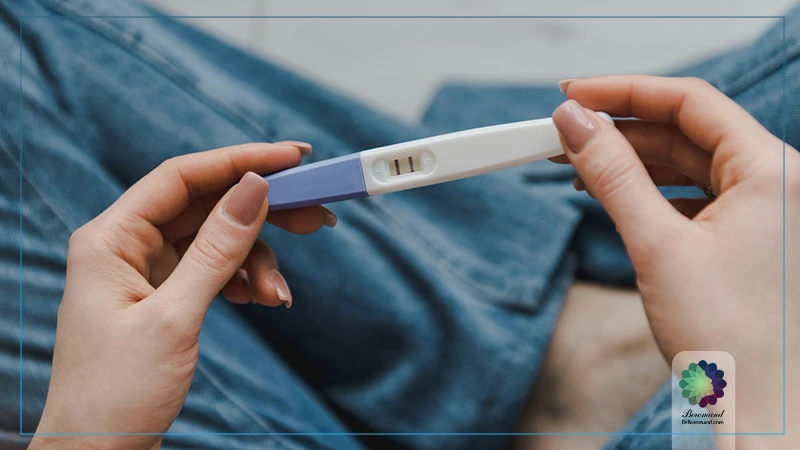 Ensuring Full Recovery Before Conception
If you’ve recently had rhinoplasty and are considering pregnancy, take these steps to preserve your results and avoid complications:
-
Allow Sufficient Healing Time: Wait at least six months for complete recovery, ensuring swelling subsides and the nose achieves its final form. This minimizes the impact of pregnancy hormones on surgical outcomes.
-
Follow Post-Operative Guidelines: Avoid strenuous activities, heavy lifting, or sports that could stress the nose. Refrain from smoking or alcohol, as these can delay healing.
-
Consult Specialists: Before conceiving, discuss your plans with your surgeon and physician to ensure your body is ready for pregnancy.
Managing Nasal Changes During Pregnancy
Pregnancy can introduce changes that affect your nose’s appearance or healing. To address these:
-
Control Swelling: Hormonal surges, particularly early in pregnancy, may increase nasal swelling. Use cold compresses or doctor-approved medications to manage it effectively.
-
Care for Nasal Skin: Hormonal changes can make facial skin drier or more sensitive. Apply gentle, pregnancy-safe moisturizers to maintain skin health around the nose.
Pre-Pregnancy Medical Consultations
If you’ve undergone rhinoplasty and plan to conceive, consulting a specialist is essential:
-
Evaluate Healing Progress: Your surgeon can assess your recovery to confirm it’s safe to proceed with pregnancy.
-
Understand Hormonal Effects: A doctor can explain how pregnancy hormones might impact rhinoplasty results and provide guidance on optimal timing.
Conclusion
Deciding when to undergo rhinoplasty in relation to pregnancy requires careful planning and medical advice. Ideally, schedule the procedure well before conceiving to allow full recovery and avoid interference from hormonal changes. Rhinoplasty during pregnancy is generally discouraged due to risks from anesthesia and prolonged healing.
Always consult with a qualified surgeon and healthcare provider before surgery or during pregnancy to ensure safety and achieve the best outcomes. With proper planning and medical guidance, you can successfully navigate both rhinoplasty and pregnancy.
Frequently Asked Questions (FAQs) About Rhinoplasty and Pregnancy
No, rhinoplasty is generally not recommended during pregnancy due to risks from general anesthesia and medications to the fetus. It’s best to postpone non-essential surgeries until after childbirth.
Wait at least six months post-rhinoplasty for full recovery and swelling reduction. This ensures pregnancy hormones don’t affect the surgical results.
Yes, hormonal changes during pregnancy may cause increased nasal swelling or minor shape changes. These are usually temporary, but consult your surgeon before conceiving.
The second trimester is relatively safer, as major fetal organs are formed, reducing anesthesia risks. However, surgery should only occur if essential, under strict medical supervision.
Use cold compresses and doctor-approved medications to reduce swelling. Gentle, pregnancy-safe moisturizers can help maintain nasal skin health during hormonal changes.
Free Consultation with the Doctor
For more information and to discuss your condition,contact Dr. Boromand on WhatsApp.
Free consultation on WhatsApp


Related Articles
What Not to Do After Rhinoplasty
December 2, 2025Types of Noses: Understanding Shapes, Features, and ...
November 9, 2025How Long Does It Take for a ...
October 27, 2025Greek Nose: Meaning, Aesthetic Ideal, and Modern ...
October 4, 2025Why Is Iran the Best Country to ...
September 24, 2025How Long Should You Stay in Iran ...
September 14, 2025